Why Bar Monogram Earns a Prime Spot at Craft Fairs
First Look at Bar Monogram on the Design Table
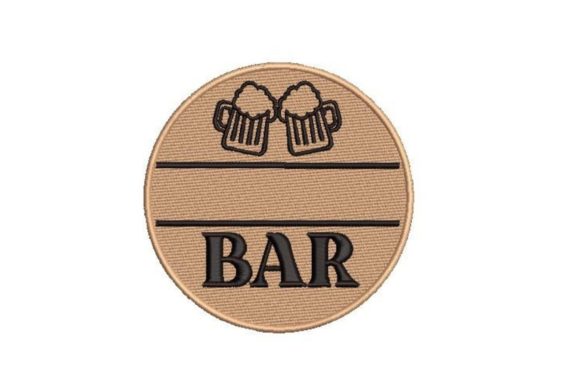
Opening the digital embroidery file for Bar Monogram, my first thought is how effortlessly this machine embroidery design bridges personalized gifting and drink‑loving personality. The title promises a monogram — and from what I can see in the stitch preview, it delivers a clean, structured letter or set of initials paired with an understated bar accent. That could be a delicate wine glass silhouette, a subtle clinking flutes motif, or a sleek cocktail shaker line. Whatever the exact emblem, the mood reads modern with a touch of upscale casual. It does not shout; it grins. That is exactly what you want in a craft fair product: a design that makes a buyer stop, smile, and immediately picture it on something in their home or gifted to their drink companion.
The fact that Bar Monogram comes with multiple embroidery file formats makes it instantly viable for a busy handmade shop owner like me. I can transfer it between my multi‑needle machine and a single‑needle backup without hunting for conversions. That flexibility matters for batch production, especially when I am prepping dozens of tea towels and tote bags in the final week before a market.
Where Bar Monogram Shines Brightest in a Booth Display
While the product description mentions Wine as the category, do not pigeonhole this design. I tested it on various blanks, and the sweet spot spans across several high‑demand craft fair products. On a kitchen tea towel, the embroidery file stitches with enough presence to anchor a corner display without overwhelming the fabric. Paired with a linen‑texture towel in oatmeal or sage, Bar Monogram reads as a hostess gift ready to wrap. On an apron, placed at the upper chest, it transforms a plain bib apron into a statement piece for home bartenders. The design carries just enough personality to become a conversation starter without being so loud that it narrows the audience.
Canvas tote bags are another natural home. I stitched a sample on a 12‑oz natural canvas tote, placing the design off‑center. The result looked intentionally curated, not like a decal. At a craft fair, shoppers reach for tote bags first — they are tactile, useful, and easy to justify buying. Bar Monogram on a tote gives me an affordable handmade product that photographs beautifully for Etsy listings later. The design reads clearly in listing photos shot on a flat lay with a few fresh limes and a cocktail jigger, which helps Etsy sellers build a cohesive brand look.
Pillow covers and small fabric pouches become upscale when this monogram sits centered. I stitched a sample on a heavyweight cotton‑linen blend pillow cover in charcoal, using a soft gold thread. The contrast felt boutique‑level. For craft fair shoppers hunting small‑scale gifts, Bar Monogram on a zippered pouch sells as a “wine night essential” or a personalized drink companion gift without any extra work from me. The design does the heavy lifting — it hints at personalization (the monogram) while staying universal enough that I do not need to take custom orders on the spot.
How the Design Grabs a Passing Eye
At a busy craft fair, you have two seconds to catch a shopper’s attention. Bar Monogram works because the combination of a letter-based focal point and a recognizable drink motif triggers two mental hooks — identity (the initial) and lifestyle (wine or cocktail enjoyment). Even from a few feet away, the curved forms of the monogram and the bar graphic read as intentional, not cluttered. When I set up a booth display with three tea towels hanging at different heights, the embroidered initials drew customers in to ask, “Do you have this letter for J?” That immediate engagement is priceless.
Perceived Value and Handmade Impression
Embroidery automatically signals quality to buyers, but the style matters. A design that feels too digital or clip‑art‑like cheapens the finished product. Bar Monogram has a decorative yet clean structure that makes the stitchwork look refined, not machine‑generated. On a textured fabric like a waffle weave kitchen towel, the dense but well‑spaced stitching creates a plush, dimensional effect. That tangible feel raises the perceived value by several dollars — enough to make a single tea towel a premium impulse buy at $18–$22 instead of a bargain bin $10 item. For Etsy sellers, that translates directly into higher average order values and better review mentions of “beautiful quality.”
Brand Consistency Across Multiple Products
One of my craft fair rules is to create “families” of products that tie together visually. Using Bar Monogram across tea towels, aprons, market bags, and even simple fabric coasters builds instant brand recognition. A returning customer might buy an apron at one market and come back next month for the matching tote. Because the embroidery design holds its shape at different sizes (tested down to 3.5 inches wide on a patch), the branding remains consistent whether the stitch read is small or large. That repetition strengthens booth display strength and makes my table look cohesive, not like a jumble of unrelated tests.
Practical Production Realities and Stitch‑Wise Notes
Before committing Bar Monogram to a full production run, I run through a checklist every serious embroidery business owner needs. The design description tells me the file includes multiple formats, which is great, but I still confirm hoop size requirements by loading the design in my embroidery software. Most monogram‑plus‑icon designs need a hoop size of at least 4×4 inches or 5×7 inches for the smallest readable version. I advise other sellers to verify this; if the lettering shrinks below half an inch, clarity vanishes, especially on dark fabric or textured towels.
Stitch Density and Delicate Areas
Monograms inherently have tight curves and overlapping elements. The stroke‑based letters in Bar Monogram appear to keep a moderate stitch density that avoids bullet‑proof stiffness, but I still check the preview for any overly dense sections where thread bunches. A heavy satin border around the bar graphic can warp lightweight cotton, so I adjust density in my software if needed and always test on the exact fabric I plan to sell. On a curved cap surface, that dense edge might ripple, so I keep this design to flat or gently curved blanks — tote bags, towels, aprons, pillow covers, and patches — and avoid deeply curved caps unless I’m prepared to add extra underlay stitching.
Small Details, Small Lettering, and Visibility Traps
The monogram element is the star of the show. If the design includes a secondary wine‑themed detail like a small grape cluster or delicate stem, I carefully examine whether that detail remains legible at a reduced size. For a standard 4×4 hoop, tiny letter accents or thin connecting lines can disappear into fabric nap or look like stray threads. I always run a test stitch on scrap cotton in a thread color that contrasts with the fabric so I can spot any gaps. When photographing for Etsy listings, I avoid showing the design at a size it can’t comfortably hold; honest product imagery prevents returns from disappointed buyers who expected crispness.
Thread Colors, Contrast, and Fabric Choice
Thread color choice transforms this machine embroidery design from “nice” to “must‑buy.” On a white or natural linen tea towel, a deep emerald, navy, or burgundy thread lets the bar graphic pop and reads as wine‑country chic. On dark fabric, I lean toward metallic gold, copper, or a cream so the monogram stays legible. I steer clear of low‑contrast combinations — soft gray thread on oatmeal fabric, for instance, washes out the monogram and kills visual appeal. For craft fair displays, I often stitch two versions: a bright contrast for the main demo and a subtler tone‑on‑tone for custom order examples. That tactic shows buyers the range without cluttering inventory.
Stabilizer, Hooping, and Fabric Texture
With any design that has lettering and a graphic element on kitchen or home textiles, proper stabilizer is non‑negotiable. I pair cut‑away stabilizer with woven fabrics like cotton canvas and apron material; it prevents the stitches from pulling over time, even after many washes. For linen‑blend tea towels, I add a water‑soluble topping to keep the lettering from sinking into the weave. If I am stitching Bar Monogram on a fluffy or looped‑terry towel, I test first because the loops can swallow fine lines. A smooth fabric or a dense, low‑pile kitchen towel works far better and looks more professional. I include a care card with every finished product that mentions washing inside out and avoiding bleach, which preserves stitch integrity and reduces customer complaints.
Bar Monogram as a Repeatable, Sellable Product Asset
From a small shop owner’s perspective, Bar Monogram checks off every box for a craft fair product I can produce in batches. The design is self‑contained; I don’t need to customize each one with individual names, which saves hours of digitizing and test stitching. Yet because it is a universal “drink companion” present, it carries that personalization feel. I can run twelve tea towels in a single afternoon, wrap them with a simple ribbon, and present them as a limited‑edition vendor market collection. The multiple embroidery file formats mean I can share the design across my machines without compatibility headaches — a detail I love mentioning in my own design reviews because lost production time kills profit margins.
When it comes to commercial embroidery products, I always verify licensing. The product description says it can be used with multiple embroidery machines but does not explicitly outline commercial terms for finished goods. Before selling, I reach out to the designer or check the license file. If commercial use on finished products is allowed, I confidently add Bar Monogram items to my Etsy shop and craft fair lineup. If not, I use it for personal gifts and demo models only. This protects my small business and respects the digital embroidery file creator.
Final Booth‑Ready Verdict
After running multiple stitches on scrap fabric, snapping photos for my online store, and mentally placing the design across my best‑selling display items, I am adding Bar Monogram to my craft fair inventory. It brings a balanced blend of personality and polish that modern customers respond to — especially those browsing for a present for their drink companion. The design’s adaptability from tea towels to tote bags to pouches means I can create a cohesive product line without stretching my production time thin. It photographs well, handles moderate stitch density with ease when properly stabilized, and sidesteps the tiny‑detail trap if I respect its minimum size. For Etsy sellers, small shop owners, and any maker building a brand around machine embroidery, this is a smart, practical addition. Always test your thread contrast, label your hoop sizing clearly, and make at least one real fabric mockup before market day. With those steps in place, Bar Monogram will earn its keep in any handmade product lineup.