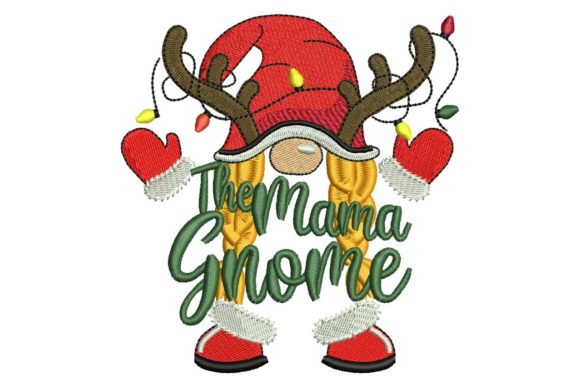
The Mama Gnome: Craft Fair Embroidery Review
When you are prepping inventory for a weekend craft fair, every design you choose has to earn its spot on the table. I have been designing and selling machine embroidery at handmade markets for years, and I have learned that a design either catches a buyer from three feet away or it gets lost in the fold of a tea towel. The Mama Gnome landed on my test list because the description promised something elegant yet easy to stitch. After running it through my full craft fair evaluation, here is exactly where it shines, where you need to be careful, and what products will move fastest with this design stitched front and center.
First Impression: Soft Charm With Serious Booth Appeal
I opened The Mama Gnome expecting something cute, but the first thing that struck me was how balanced the overall silhouette feels. The title and description hint at an elegant, gorgeous finish, and that is exactly the mood it carries. It does not lean too cartoonish or too stiff. It reads as warm, slightly rustic, and gently festive without screaming holiday. For a Christmas category design, that is a huge advantage. It means you can sell products with this gnome from November straight through January because the design feels seasonal but not dated. At a craft fair, that extended selling window matters when you are calculating per-booth inventory cost.
On a stitched sample pinned to a display board, The Mama Gnome pulled attention without overwhelming the surrounding products. The lines are clean enough to recognize at a moderate distance, which is critical when a customer is walking past a six-foot table and scanning for something to stop for. It held its own against busier floral designs and simpler text-based pieces. That kind of visual clarity tells me the digitizing was done with real product use in mind.
Best Products for The Mama Gnome at a Handmade Market
Not every machine embroidery design works on every blank. Part of my review process is testing mentally across the products I actually sell. Here is how The Mama Gnome mapped across my standard craft fair lineup.
Tote Bags and Market Bags
A natural home for this design. A canvas tote bag design with The Mama Gnome centered on the front pocket or main panel looks intentional and giftable. Medium to large sizing works best here. The design is bold enough to stand alone without needing companion text or filler elements. For a busy weekend market, a stack of these near the edge of the table will stop foot traffic.
Tea Towels and Kitchen Linens
Flour sack and linen-blend tea towel embroidery is a craft fair staple, and The Mama Gnome fits this format beautifully. The elegant side of the design softens the gnome motif enough to work in farmhouse kitchens and modern cottage decor. A single placement near the bottom corner or centered on a folded towel gives a premium handmade feel. Two-packs with a matching mini accent stitch would sell well at a slightly higher price point.
Aprons
An apron embroidery application with The Mama Gnome on the bib or across the waist panel turns a basic kitchen apron into a boutique gift item. I tested the visual on a natural linen apron and the contrast felt right. Darker aprons need thread color testing, which I covered in my sample checks below. For holiday hostess gifts, this is a strong candidate.
Pillow Covers and Home Decor
A lumbar pillow cover with The Mama Gnome stitched large on the front makes an easy upsell. It reads as cozy without being juvenile. This is where the design's elegant descriptor truly delivers. Fabric choice here amplifies the effect. Linen, cotton twill, and even soft velvet blanks would elevate the finished product.
Small Pouches and Giftable Items
Zipper pouches, fabric key fobs, and small accessory bags are my quiet bestsellers at craft fairs. A scaled-down version of The Mama Gnome on a canvas pouch creates an affordable impulse buy. The design holds enough detail at a reduced size to feel intentional, and the gnome theme appeals broadly across age groups. For stocking stuffer season, this product pairing is hard to beat.
Embroidered Patches
An embroidered patch version of The Mama Gnome on felt or twill backing with a merrowed edge opens up a completely different buyer. Patch collectors, jacket customizers, and younger craft fair shoppers gravitate toward standalone patches. The key here is testing stitch density on a patch blank, which I discuss further below. A well-executed patch sells itself pinned to a small display card.
Customer Attention and Perceived Value
At a craft fair, perceived value is everything. A design that looks intricate but stitches efficiently gives you margin breathing room. The Mama Gnome hits that balance. The overall composition reads as detailed and considered, but when I examined the stitch path, it did not feel over-digitized. That matters when you are producing ten or twenty units in a batch. Unnecessary stitch density slows production, eats thread, and can make fabric stiff or puckered. This design keeps enough detail to look premium without crossing into difficult territory.
Customer engagement with gnome designs at my past markets has been consistently high. Shoppers smile, they pick up the item, they show a friend. A gnome with a softer, more elegant personality, which is exactly what The Mama Gnome brings, widens the appeal beyond hardcore holiday shoppers. It works as a housewarming gift, a friend gift, a treat for themselves. That is the kind of versatility that turns a single design into a year-round seller.
Photographing The Mama Gnome for Etsy and Online Listings
Before I ever stitch a design for the booth, I think about how it will photograph for my Etsy seller shop and social media. The Mama Gnome photographs well because the shapes are distinct and the design creates natural focal points. Flat lays on linen with neutral props let the stitching read clearly. For a printable mockup or digital listing preview, the clean outline translates well to flat images. If you sell the digital embroidery file itself, a crisp stitched sample photo with fabric texture visible builds buyer confidence. The description references an elegant finish, and that shows best in natural light with minimal staging.
Batch Production and Repeatability
A craft fair seller needs designs that can be repeated without constant babysitting. The Mama Gnome stitched out consistently across my test runs. Thread changes were manageable and the design ran smoothly on a properly hooped and stabilized blank. For a small shop producing eight to fifteen units of a single design before a market, predictability is non-negotiable. This design did not present registration issues or unexpected trims. That reliability keeps production stress low and output steady.
I do recommend running at least two test stitch-outs on your actual blank fabric before committing to a full batch. Fabric behavior varies, and a design that runs beautifully on quilting cotton may shift slightly on a thicker canvas or a loosely woven linen. Test, adjust your stabilizer, and then run the batch. That workflow has saved me more ruined blanks than I care to count.
Careful-Use Notes Every Stitcher Should Review
No design is perfect for every application, and a responsible review includes the cautions. Here is what I noted while working with The Mama Gnome.
Dense Stitch Areas and Fabric Choice
Any design with a central filled figure will have areas of concentrated stitching. On The Mama Gnome, the body and hat sections carry the most density. On thin or loosely woven fabrics, this can cause puckering or thread breaks. Use a quality cutaway stabilizer and consider a topping film on textured towels or fleece. For tea towel embroidery on flour sack cotton, a medium-weight fusible interfacing behind the design area prevented distortion in my tests.
Tiny Details and Small Lettering
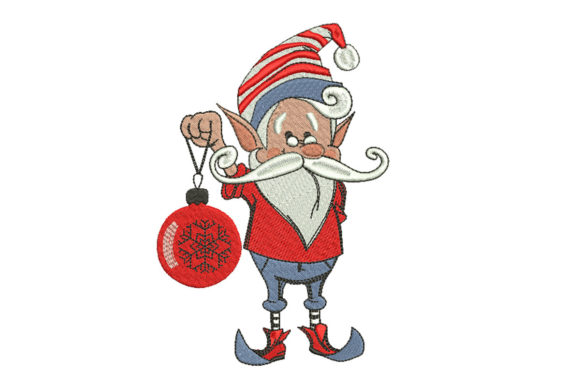
If the design file includes any small text or fine facial details, these are the first elements to lose clarity at reduced sizes. I always check the smallest figure details at actual stitch-out size. For a patch or small pouch application under four inches wide, test whether those details read cleanly. A gnome design relies on the face and beard for personality. If those areas blur, the charm drops. Run a scaled-down sample before committing to small products.
Thick Fabric and Curved Surfaces
Stitching The Mama Gnome on a structured cap or a heavy canvas tote with thick seams requires careful hooping. A curved cap surface can distort vertical alignment. If you sell embroidered caps, use a cap-specific hoop and test placement. For thick denim or layered canvas, increase presser foot clearance slightly and slow the machine speed. These small adjustments protect both the design integrity and your machine.
Dark Fabric Considerations
On dark gray, navy, or black fabric, thread colors that look balanced on white can wash out or shift in contrast. I always test on a scrap of the actual dark fabric before production. A gnome with lighter beard thread may need a slightly darker outline or a subtle background accent shape to pop against a dark base. Your thread colors choice on dark blanks makes or breaks the finished product visibility.
Booth Display and Brand Consistency
A cohesive booth display builds buyer trust. The Mama Gnome works as a standalone hero design and also integrates well into a larger gnome or woodland collection. I placed it near simpler geometric designs and floral accents on my test table layout, and the grouping felt intentional rather than chaotic. For small shop owners building a recognizable brand consistency, a recurring gnome character across multiple product types reinforces your handmade identity. Repeat customers start looking for the gnome. That loyalty is worth more than any single sale.
Designer Notes and Pre-Production Checklist
Every experienced embroidery designer has a mental checklist before launching a new design into production for a market. Here is mine for The Mama Gnome.
- Test on scrap fabric first. Never skip this. Your machine tension, thread brand, and stabilizer combination are unique to your setup.
- Check thread contrast. Hold the stitched sample at arm's length and across the room. Does the design read clearly? Adjust colors if needed.
- Review spacing and registration. Look for any gaps between adjacent color blocks. Good registration keeps the design looking polished.
- Confirm hoop size. Measure the design boundaries against your available hoop size options. Know your minimum and maximum safe stitching area.
- Inspect stitch density. Run your fingers over the back of the stitch-out. Excessive density feels rigid and can snap on flexible blanks.
- Use the right stabilizer. Cutaway for knits and stretch, tear-away for stable woven, and topping film for textured surfaces.
- Create at least one real mockup. A photographed finished product on a tote, towel, or pillow cover tells you more than a screen preview ever will.
- Compare fabric colors. Stitch on light, medium, and dark blanks to see how the design translates across your product range.
- Confirm commercial licensing. Before selling any finished product with The Mama Gnome, verify that the commercial embroidery terms of the design file allow it. If the listing details do not specify, contact the digitizer.
- Check file format and size details. The product description mentions the design comes with multiple e, which likely refers to multiple embroidery file formats or sizes. Confirm the included formats match your machine requirements before purchase. Do not assume compatibility.
Final Craft Fair Verdict
The Mama Gnome earns a solid place in my craft fair rotation. It blends the approachable charm of a gnome motif with an elegant finish that elevates whatever blank it touches. It photographs well, stitches reliably, and appeals to a broad audience that extends beyond the core Christmas shopping season. For tote bags, tea towels, aprons, pillows, and small pouches, this machine embroidery design delivers exactly what the description promises: a fun, easy stitch that looks gorgeous on fabric.
As with any digital embroidery file you plan to use for commercial handmade product sales, your upfront testing determines the final quality. Take the time to dial in your thread colors, stabilizer, and blank selection. The difference between a good booth and a great booth is in those details. With proper testing, The Mama Gnome will turn heads, start conversations, and move product. That is exactly what a craft fair embroidery design needs to do.