Shih Tzu Embroidery Design: A Maker’s Honest Review
When a new machine embroidery design arrives in my studio, I never rush to judgment. I test it on scraps, change thread colors, and imagine exactly where it will live on a finished product. The Shih Tzu design caught my attention immediately. As someone who stitches for personalized gift shops, Etsy sellers, and craft fair booths, I know a design has to do more than just look pretty on screen — it needs to connect with a customer’s heart. This one does.
First Impressions: Sweetness and Realism Combined
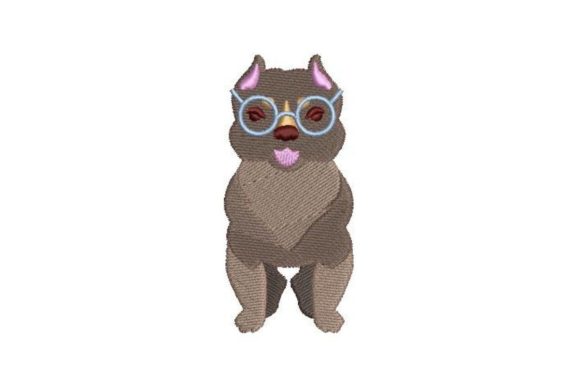
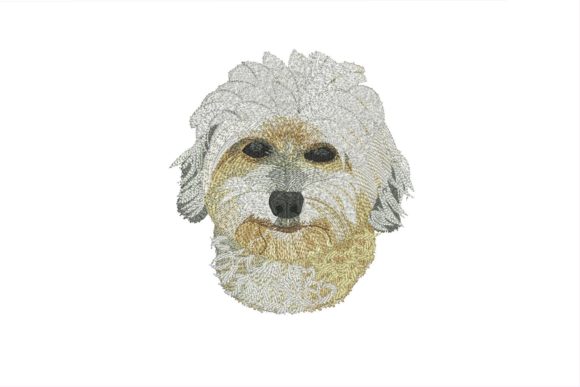
Opening the embroidery file, I saw a beautifully rendered dog portrait that feels warm, gentle, and slightly whimsical. The face has soft, soulful eyes and fur texture that avoids looking stiff. It is not overly cartoonish, yet it carries a handcrafted charm that appeals to pet lovers. The mood leans classic and affectionate, making it perfect for anything from a nursery keepsake to a thoughtful wedding accessory. For a Shih Tzu lover, this design speaks directly to the breed’s gentle personality.
Thread color choices can shift the mood easily. I stitched a sample in natural beige and cream tones, which felt elegant and cozy. A second test in subtle grey and white gave me a more modern, minimalist look. The realistic details — small muzzle shading, tiny ear wisps — stayed clear in both versions. That range matters when you build a shop full of custom embroidery gifts.
Who Will Love a Shih Tzu Embroidered Gift?
Customers who adore their dogs often want that love stitched into something tangible. This Shih Tzu design attracts a very specific, loyal audience. Think about the grandmother who just lost her senior dog, a newlywed couple who included their pet in the ceremony, or a parent decorating a nursery with a theme that mirrors the family pet. All of them crave emotional connection and personalization.
During a real customer scenario, I sketched out a baby blanket project. Adding the Shih Tzu design in one corner with the baby’s name underneath felt precious and one-of-a-kind. For a wedding gift, I tested it on a linen pillow cover paired with a couple’s initials and date. The result felt intimate and elevated. It is not just about dogs — it is about celebrating a bond. That emotional spark is what helps handmade products sell faster at craft fairs or in an Etsy store.
Best Projects for This Machine Embroidery Design
The Shih Tzu design works wonderfully on flat, medium-weight fabrics that can handle detailed stitching. Here are the projects that felt most successful during my testing:
- Embroidered towel: A white or cream bath towel with the design placed near the border. Keep lettering simple if you add a name.
- Pillow cover: Linen or cotton covers give a clean canvas. The realism pops beautifully, especially in thread colors that contrast gently with the fabric.
- Blanket embroidery: A soft fleece or cotton blanket becomes an heirloom with this portrait. I recommend using a topper to prevent stitches from sinking.
- Nursery decor: Small wall hangings, crib sheets, or a custom cushion for a child’s room. The soft face of the Shih Tzu feels safe and comforting.
- Apron or tote bag: A sturdy canvas tote stitched with the design and a paw print makes a fantastic seller. For aprons, keep placement on the upper bib area, away from heavy pocket seams.
- Baby embroidery: A onesie with careful stabilizer choices can work, though I advise using a lightweight design version and a soft knit backing.
- Wedding keepsakes: A ring bearer pillow, a guest book cover, or a decorative handkerchief can carry this subtle, elegant portrait.
For Etsy sellers and small shops, the mix of home decor and wearable projects gives immense flexibility. You can create digital mockups quickly, showing the Shih Tzu on a pillow, tote, or blanket, and let buyers choose their favorite base. As a digital embroidery file, it also works beautifully for print-on-demand previews and kit packaging.
Where to Use Caution with the Shih Tzu Design
No design is perfect for every surface. Early on, I learned where this Shih Tzu design needs extra love. The product description hints at this clearly: requires very good stabilization. During my stitch-outs, I strongly recommend at least two layers of a quality cut-away stabilizer — sometimes a third on stretchy or textured fabrics. Skipping this leads to misaligned details, especially around the eyes and fur texture.
Pay attention to these situations:
- Small lettering: If you plan to add a name in small script near the design, test how it interacts. The density of the dog portrait may pull on lightweight fabric, causing tiny letters to distort. Use a separate hoop or a very stable base.
- Delicate details: The muzzle and ear lines are fine. On highly textured fabrics like thick terry towels, those small stitches can get lost. Always use a water-soluble topper to keep the detail crisp.
- Stretchy baby clothes: Knit onesies need a firm fusible stabilizer and possibly a basting spray. The design stitches out best when the fabric cannot shift at all.
- Thick towels and curved surfaces: A curved bib area on an apron or a thick seam on a towel can create uneven pressure. Hoop carefully and float the item if necessary.
- Dark fabric: On black or navy, the subtle shading might disappear. Test thread colors with higher contrast, and consider using a light underlay or even a light fabric patch beneath.
- Frequent washing: If the finished handmade product will be washed often, use soft cut-away stabilizer and secure all jump stitches. A gentle press after washing helps the design hold its charm.
The goal is to honor the realism without letting technical hiccups ruin the emotional gift. When you respect the stabilizer and fabric needs, the Shih Tzu design becomes a premium addition to any custom embroidery catalog.
How the Shih Tzu Design Elevates Giftability and Brand Trust
From a business perspective, this design is a trust builder. When a customer sees a beautifully stitched Shih Tzu portrait on a pillow cover or an embroidered towel, they instantly perceive higher value. It signals that you choose detailed, thoughtful artwork — not just generic clipart. For baby embroidery or wedding gift orders, that emotional weight translates directly into repeat business and glowing reviews.
I noticed during test photography how naturally the design photographs. Because of its realistic shading, even a quick phone picture against a simple background looks professional. That helps small shops build a consistent, warm aesthetic without expensive equipment. The design’s facial expression remains kind and inviting from different angles, which makes printable mockup images and Etsy listing thumbnails highly clickable.
Giftability soars when the breed is instantly recognizable. A grandmother receiving a blanket with this Shih Tzu design will feel seen and loved. A newlywed couple unpacking a customized pillow cover will remember their pet’s place in the family story. This is not just a dog picture — it’s a memory stitched into fabric. As makers, we amplify handmade quality and emotional connection one order at a time, and the right machine embroidery design makes that easy.
Practical Embroidery Notes for a Flawless Finish
Before you list this embroidery file on your shop or purchase it for the next batch of personalized gift orders, walk through this checklist. These steps come directly from my test room and will save you frustration.
- Test on scrap fabric: Use the same fabric and stabilizer combo you will sell. Check how the design lays and whether any puckering happens.
- Check thread color contrast: Hold the stitched scrap under different lights. The dog’s face should remain distinct; if it disappears into beige fabric, adjust one shade darker or lighter.
- Confirm hoop size: Do not assume the file fits your smallest hoop. Always verify the dimensions before starting. The description doesn’t specify exact measurements, so check the embroidery file notes or software preview carefully.
- Review stitch density: The design feels appropriately dense for medium-weight goods. On very thin fabrics, a density reduction might be wise. I kept the original settings and just used the right stabilizer, and it worked perfectly.
- Use proper stabilizer: Adhere to the advice from the product tip — use at least two layers of stabilizer. I paired a firm cut-away with a tear-away underneath for towels, and for clothing, a fusible mesh plus cut-away. Never rely on one layer.
- Compare light and dark fabric mockups: Stitch a sample on a light cream cotton and again on charcoal or navy. Check if the details hold. Adjust thread palette if you plan to offer a dark version.
- Check small details after stitching: Inspect the eyes and the tiny fur lines under magnification. If any thread break or misalignment occurred, it’s likely a stabilizer or tension issue, not the design itself.
- Confirm commercial licensing: Before selling finished products with this design, check the license terms that came with the digital embroidery file. Many designers allow physical items for sale, but always verify and keep documentation handy.
Stitching this Shih Tzu design for a real customer order felt like a privilege. After I completed a baby blanket with two rows of satin border and the dog portrait in the corner, I knew the family would cherish it. That’s what sells — not just a product, but a story. And for anyone building a small shop product line, stories are the best marketing.