Mailwoman Embroidery Design: A Crafter's Honest Review
When you spend your evenings preparing inventory for a weekend craft fair booth, every single design you choose has to earn its spot on your table. Some embroidery files look stunning on a screen but fall apart on textured fabric. Others stitch beautifully but fail to catch a shopper's eye from three feet away. The Mailwoman machine embroidery design landed in my digital library last week, and I have been testing it across multiple product types to see if it deserves a place in my handmade market lineup.
This is the kind of review I wish I could read before committing time, thread, and fabric to a new design. I will walk you through exactly how Mailwoman performs on real craft fair products, what catches the light and what needs extra attention, and where this design fits into a profitable handmade business.
First Impression: Clean, Workwear-Inspired, and Instantly Readable
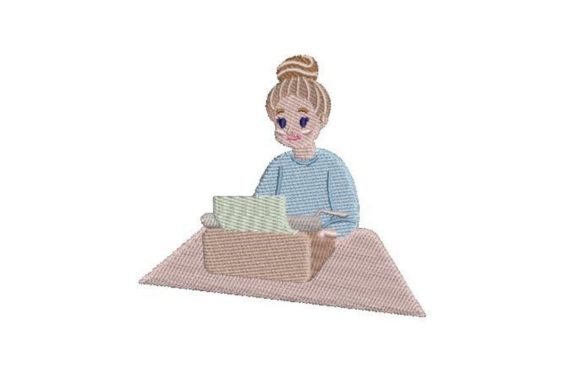
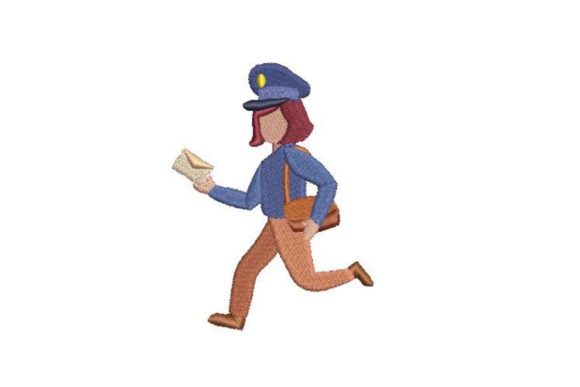
Opening the embroidery file for the first time, my immediate thought was that Mailwoman carries a crisp, occupational feel that fits squarely into the work-themed category. The design reads clearly as a tribute to postal service professionals, and that clarity matters enormously at a craft fair where shoppers scan tables in seconds. There is no ambiguity here. Someone who knows a mailwoman, loves a mailwoman, or is a mailwoman herself will recognize the design instantly.
From a visual standpoint, the digitizing feels intentionally balanced. The design is described as beautifully digitized, and that claim holds up when you look at how the elements are laid out. Nothing feels cramped or overcrowded, which suggests the digitizer understood that embroidery thread behaves differently than ink on paper. The spacing allows each element room to breathe, and that is exactly what you want when producing items for a handmade market booth.
Stylistically, I would place Mailwoman somewhere between modern occupational pride and soft, giftable charm. It does not lean overly cartoonish, nor does it feel cold or purely industrial. That middle ground is valuable because it appeals to a broad range of customers. A coworker buying a small thank-you gift, a spouse picking up something thoughtful, or a retired postal worker treating herself would all find the tone appropriate.
Where Mailwoman Shines Brightest on the Craft Fair Table
Not every embroidery design works equally well on every product. Part of being a smart handmade seller is matching the right design to the right surface. After testing Mailwoman across several substrates, a few clear winners emerged.
Tote Bags and Market Bags: The Hero Product
A sturdy canvas tote bag with Mailwoman stitched prominently across the front panel is exactly the type of item that stops craft fair shoppers mid-stride. Tote bags offer a flat, stable surface that lets the design stitch out cleanly without distortion. The design is easy to understand at a glance, which means someone walking past your booth can register what it says and who it celebrates before they even reach your table. That quick recognition is half the sale.
For Etsy sellers, a tote bag mockup featuring Mailwoman photographs beautifully. The flat surface eliminates shadows and distortion, making your listing images look professional. If you create printable mockups for your digital embroidery file listings, a tote mockup with this design will help buyers visualize the finished product immediately.
Aprons: Practical and Personal
An apron embroidered with Mailwoman works on two levels. It is functional enough to actually wear, and personal enough to feel like a curated gift. I tested placement in the upper chest area, and the design sits nicely without overwhelming the apron body. For craft fair displays, hang aprons at eye level on wooden hangers. The design catches attention quickly and invites questions, which opens the door to custom order conversations.
Tea Towels and Kitchen Linens: The Giftable Staple
Tea towel embroidery remains one of the most reliable sellers at handmade markets, and Mailwoman adapts well to this format. On a smooth cotton tea towel, the design stitches out with clean edges and good definition. One note here is worth mentioning. If your tea towels have a textured weave or a looser thread count, you will need to adjust your stabilizer strategy. Textured towels can cause fine details to sink or blur, and while Mailwoman reads well overall, any delicate lettering or thin elements deserve extra attention on uneven surfaces.
Caps and Curved Surfaces: Proceed with Care
Embroidering on caps introduces curvature that flat designs do not always accommodate gracefully. If Mailwoman includes horizontal text or wide elements, the arc of a cap crown may cause subtle warping. This is not a dealbreaker, but it is a reminder to test on a scrap cap before committing your final product. For cap embroidery, centering the design carefully and using a cap-specific hoop makes a noticeable difference in how the finished product looks.
Embroidered Patches: A Smart Upsell
Small shop owners who sell embroidered patches should consider adding Mailwoman to their patch board. A well-finished patch with a clean merrow border gives customers a versatile item they can sew onto jackets, bags, or uniforms. Patches also serve as lower-cost add-ons at a craft fair booth, increasing average transaction value without requiring a complicated sales pitch.
Pillow Covers and Fabric Pouches: Soft Home Decor
Small pillow covers and fabric pouches embroidered with Mailwoman have a soft, sentimental quality that works for gifting. A postal worker might display a throw pillow in her home office or use a zippered pouch to organize work essentials. These items photograph well for online listings and sit attractively in a booth display when grouped with coordinating textiles.
What Sells: Customer Attention and Buyer Psychology
Understanding why a design sells is just as important as knowing how it stitches. Mailwoman taps into a specific, recognizable identity. Occupational pride is a strong motivator for purchases. Shoppers at craft fairs frequently buy gifts for coworkers, family members in specific professions, or themselves as a nod to their own hard work. A design that clearly honors a particular role cuts through the noise of generic handmade items.
From a buyer engagement standpoint, the design works because it is specific without being niche to the point of excluding too many people. Postal workers are everywhere. Their friends and families are everywhere. The pool of potential customers is larger than it might initially seem, and that matters when you are calculating how many units to produce for a weekend market.
Brand consistency also benefits from designs like Mailwoman. If your handmade shop focuses on occupational or appreciation-themed embroidery, this design fits neatly into that identity. Grouping it with similar work-themed designs creates a cohesive booth display that signals to shoppers exactly what kind of products you offer.
Production Notes: What to Watch Before You Stitch a Dozen
Before you batch out twenty items featuring Mailwoman, there are practical checks every embroidery designer and handmade seller should run. These are not criticisms of the design. They are the same checks I run on every embroidery file before it touches customer fabric.
Test on scrap fabric first. Even beautifully digitized designs behave differently depending on your machine, thread brand, and stabilizer combination. A quick test stitch reveals any tension issues or density concerns before you invest time and materials into finished inventory.
Check thread contrast carefully. If Mailwoman includes lettering or fine linework, the thread color you choose against your fabric color makes or breaks legibility. Dark thread on dark fabric can swallow details. Light thread on light fabric can wash out. Test multiple combinations and view them under the kind of lighting you will have at your craft fair booth or in your Etsy listing photos.
Review spacing and small details. If the design includes small lettering or compact graphic elements, pay attention to how those areas stitch out at the actual size you plan to use. Embroidery thread has physical thickness, and details that look delicate on screen can close up or lose definition when stitched, especially if the design is scaled down for smaller products like pouches or patches.
Confirm hoop size before you plan your product lineup. Different embroidery file formats may have slightly different dimensions, and you need to know whether Mailwoman fits within the hoops you own. Check the design dimensions once you have it loaded into your embroidery software so there are no surprises when you sit down to stitch.
Inspect stitch density. Areas with dense stitching can feel stiff on lightweight fabrics or cause puckering on unstable substrates. If Mailwoman has sections with concentrated stitch coverage, use an appropriate stabilizer and consider whether the fabric you are embroidering onto can support that density comfortably. A cutaway stabilizer often provides the best foundation for designs with moderate to dense stitch areas.
Use the right stabilizer for each surface. What works on a flat tote bag may not work on a textured tea towel or a curved cap. Match your stabilizer to your substrate. Tear-away for stable woven fabrics, cutaway for knits and items that will be washed frequently, and a sturdy cap backing for headwear.
Create at least one real mockup. A digital mockup helps with Etsy listings, but nothing replaces a physical sample you can hold, photograph in natural light, and display at your booth. Customers trust what they can see and touch. A finished product featuring Mailwoman stitched on actual fabric builds buyer confidence and often leads to faster purchasing decisions.
Compare fabric colors. The same design can look completely different on natural canvas versus bright white cotton versus heathered gray. Try multiple backgrounds. You may discover a fabric and thread combination that elevates Mailwoman beyond your expectations.
Commercial Use and Selling Considerations
For craft fair sellers and small shop owners, the commercial licensing question is always top of mind. Before you produce finished items for sale, confirm that the embroidery file's terms allow commercial embroidery use on handmade products. Many digitizers permit selling finished physical items made with their designs, but you should verify this before listing products on Etsy, in your boutique, or at a weekend market.
Since the description notes that Mailwoman comes with multiple embroidery file formats, check which formats are included and whether they are compatible with your machine before purchasing. Compatibility saves headaches down the line.
Is Mailwoman Worth a Spot in Your Craft Fair Lineup
After working with Mailwoman across several products and considering the practical realities of selling handmade embroidery at markets, I would say this design earns its place for sellers who cater to occupational, appreciation, or gift-focused audiences. It reads clearly, stitches with the polish you expect from a well-digitized file, and fits naturally onto the types of products that move at craft fairs: tote bags, tea towels, aprons, and small giftable accessories.
The design does require attention to detail when it comes to fabric choice, stabilizer selection, and thread contrast, but those are standard considerations for any embroidery project. Treat Mailwoman with the same care you would give any design entering your handmade inventory, and it will reward you with products that feel personal, look professional, and connect with customers who value thoughtful, occupation-specific craftsmanship.
For your next craft fair, consider placing a Mailwoman tote bag at the front of your display, flanked by a coordinating apron and a stack of neatly folded tea towels. Add a few embroidered patches to your small-item section. The combination creates a story that shoppers understand immediately, and in the fast-paced environment of a handmade market, that clarity translates directly into sales.