Smashed Pumpkin: A Craft Fair Embroidery Design Review
First Impressions: Cheerful, Not Creepy Halloween Fun
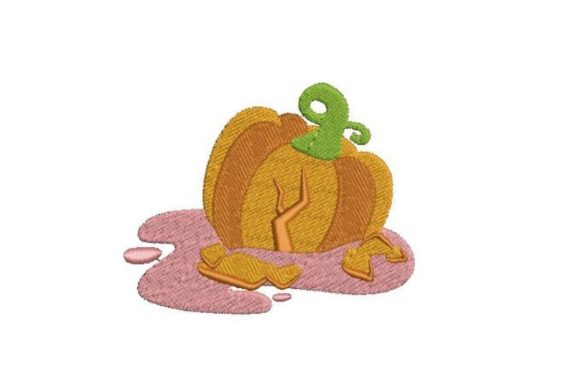
As someone who stitches machine embroidery designs for weekend markets, I instantly know whether a motif will stop a shopper in their tracks. Smashed Pumpkin grabs attention for all the right reasons. The name alone suggests a playful, slightly messy pumpkin face—maybe a squashed smile, a crooked stem, and absolutely no gore. That puts it squarely in the family-friendly category that craft fair customers love to impulse-buy. I can already picture it on a tote bag slung over someone’s shoulder, or peeking out from a stack of giftable tea towels. It’s the kind of Halloween embroidery that feels festive without being off-putting, and that cheerful tone is exactly what sells in a busy booth full of browsing families.
Where Smashed Pumpkin Excels as a Craft Fair Product
I always judge an embroidery design by how easily it translates into finished products people want to touch. Smashed Pumpkin scores high because its playful theme fits multiple handmade categories without looking forced. Whether you sell at a farmers’ market, a seasonal pop-up, or through Etsy, this design adds instant handmade charm. It’s not too complex to scare away beginners, yet it has enough personality to feel special. In my experience, a design with a clear emotional hook—like a funny smashed pumpkin face—turns a plain tea towel into a story, and stories sell. It also photographs well for printable mockups and Etsy listing photos, because the heightened expression reads even at thumbnail sizes.
Tote Bags and Market Bags
A cheerful pumpkin design on a canvas tote bag is basically a walking advertisement for your booth. I’d stitch Smashed Pumpkin prominently on the front of a natural-colored tote, using a vibrant orange thread, maybe a touch of green for the stem. It would work as a large focal design that catches daylight. Because the face is likely bold rather than intricate, it holds up well on textured fabric, but I’d still test a sample on heavyweight canvas to confirm stitch clarity around any fine smile lines. A bright, readable design like this moves fast when shoppers imagine themselves carrying it to the pumpkin patch.
Aprons and Kitchen Towels
Halloween-themed aprons are a niche I’ve seen explode at fall craft fairs. Smashed Pumpkin stitched on a bib apron gives just the right amount of whimsy for a host preparing a Halloween party. Kitchen towels are also a natural pairing: a loop-pile towel with this design in the corner becomes an affordable, easy-to-stock item. I’d be cautious on textured towels, because dense fills could lose definition. A smooth flour sack towel would show off the design much better and still feel homey. Pair an apron and a towel as a set, and you instantly raise the overall ticket price.
Small Pouches and Embroidered Patches
Smaller items like coin purses, fabric pouches, or removable embroidered patches give shoppers a low-commitment way to buy. Smashed Pumpkin would make an adorable patch that teens and kids could iron onto a denim jacket. As a patch, I’d keep the size moderate—too small, and any internal squashed details might lose clarity. This is where I’d carefully inspect the embroidery file for minimum sizing parameters and maybe skip the smallest version if the digitizing doesn’t support it. Patches also let you stretch your seasonal inventory without overcommitting to large, costly blanks.
Caps and Pillow Covers
On a cap, this design would need to be adapted to the curved surface. I’d position the pumpkin off-center or on the side panel if it’s wide. The smashed face is inherently forgiving—an asymmetrical look is on-brand. For pillow covers, I love a festive toss pillow that invites guests to squeeze it. The cheerful touch in the description tells me the design will read as friendly, not frightening, so it suits a living room sofa display. A faux-linen pillow cover with a centered Smashed Pumpkin could become a signature booth item that stops foot traffic.
Production Considerations for a Smooth Stitch-Out
Before I ever run a batch of products, I map out every potential pitfall. With Smashed Pumpkin, the likely dense stitch areas are the pumpkin body and any facial linework. I’d watch for heavy fill that makes the fabric stiff, especially on tote bags that need to flex. If the design includes tiny details like leaf veins or a curled stem, I’d test on a piece of textured cotton to make sure those lines don’t disappear. Small lettering, if present, always gets extra scrutiny—I might enlarge the design slightly or choose a smooth fabric to preserve readability. Dark fabric demands extra thought; if I stitch orange thread on a black apron, I’ll likely need a white or light grey underlay so the colors stay vibrant.
Curved surfaces like caps are tricky. I always hoop with a heavy cutaway stabilizer and float an additional layer of tear-away beneath to counter the distortion. I’d also adjust the presser foot pressure and slow the machine for the small accent areas. For batch production, stitch density matters. If the design takes too long to run, my per-item cost creeps up. I’d run a full-speed test on my machine to gauge time and thread usage, then price finished items accordingly.
How Smashed Pumpkin Grabs Customer Attention at Your Booth
At a craft fair, visual impact makes or breaks a sale. Smashed Pumpkin has an immediate cartoonish charm that makes people smile, and that emotion draws them in. It stands out against more formal autumn embroidery because it doesn’t take itself seriously. I’d build a small display around its cheerful energy: a tote bag next to a matching pillow cover, a pumpkin-stitched apron draped over a wooden chair. By creating a themed vignette, you encourage multiple purchases. The design also supports brand consistency if your shop leans whimsical or handmade-fun. Even if you usually work in a farmhouse style, a playful pumpkin can be a seasonal accent that feels intentional rather than off-brand.
For Etsy sellers and digital embroidery file shops, Smashed Pumpkin offers strong photo potential. A well-lit mockup on a neutral background allows the pumpkin’s expression to pop. I’d include a lifestyle shot with a smiling child holding a pumpkin-embroidered bag to reinforce the cheerful angle. That kind of storytelling translates into higher click-throughs and buyer engagement because customers see themselves using the finished product.
Practical Designer Checklist for Flawless Results
Every new embroidery file goes through my personal quality check. Here’s what I’d do before stitching Smashed Pumpkin for sale:
- Test on scrap fabric first. I use a cotton-poly blend similar to my product blanks so I can see genuine coverage.
- Check thread contrast. If I’m using orange on dark backgrounds, I confirm the underlay prevents dullness. I’ll also test a neon thread option to boost visibility.
- Review stitch density in a sample run. Does the design feel too stiff? If so, I adjust the density in the file or choose a softer stabilizer.
- Confirm hoop size. I make sure the design fits my most-used hoops—typically 4x4 or 5x7—without forcing me to re-hoop mid-design for a simple tote bag.
- Inspect tiny details. Are there fragile jumps or tiny satin columns? I look for potential trims that could leave loose threads on the front.
- Use the right stabilizer. Cutaway for structured bags and thick caps; tear-away or wash-away for lightweight tea towels; no-show mesh for dark knits to avoid shadow show-through.
- Create a real mockup. I stitch one finished product—not just a thread test—and photograph it in my booth setup for honest marketing.
- Compare fabric colors. I test on cream, black, denim, and slate to see which background makes the pumpkin face pop the most.
- Confirm commercial licensing. Before any finished product is sold, I verify the digital embroidery file includes a commercial embroidery license that covers craft fairs, small shop products, and online handmade sales.
Is Smashed Pumpkin Right for Your Fall Lineup?
Smashed Pumpkin earns a permanent spot in my Halloween craft fair inventory because it balances playful design with practical production requirements. It’s not overly delicate, so it works on sturdy blanks. It translates easily across multiple products without losing its cheerful identity. And most importantly, it draws attention the moment someone walks past my booth. For an embroidery business owner, that’s the ultimate test. I’ll still double-check the stitch file’s specifics—hoop size, digitizing quality, color stops—before ordering supplies in bulk, but the concept is exactly what handmade shoppers want. If you’re building a Halloween collection that feels lighthearted and highly giftable, this design is a smart choice.