Skeleton Middle Finger Gesture Embroidery Design Review
As an embroidery designer preparing for a busy craft fair weekend, every design I select for production must pass a practical review. I'm looking at the Skeleton Middle Finger Gesture embroidery file, considering its potential as a handmade product for my booth. This review is grounded in real-world judgment: what sells, what looks good stitched out, and what is efficient to produce in batches.
First Impression: Bold, Funny, and Subtly Spooky
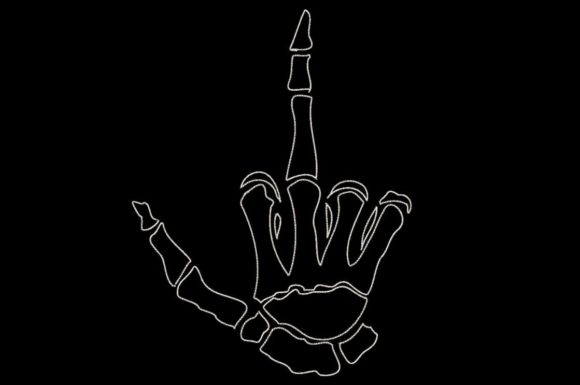
The immediate mood of this Skeleton Middle Finger Gesture design is bold and humorous with a touch of seasonal edge. It isn't cute or elegant; it's a modern, cheeky statement piece. The description mentions a "subtle spooky feel," which aligns perfectly with a Halloween theme without being overly gory or frightening. This gives it a niche appeal within the broader Halloween embroidery category. For craft fair sellers, such a clear, mood-driven design is invaluable—customers understand its intent at a glance.
Where This Design Stands Out on Craft Fair Products
Visualizing my table display—tote bags, aprons, tea towels, patches, caps, pouches, pillow covers—I immediately see where Skeleton Middle Finger Gesture would command attention.
- Tote Bags & Market Bags: As a large focal design on a solid-color canvas tote, it becomes a statement product. It's perfect for the customer looking for a fun, non-traditional Halloween accessory.
- Embroidered Patches: This design is ideal for a patch. Its clear, graphic nature means it retains impact even at a smaller size, making it a great low-cost, high-appeal item for quick sales.
- Caps: On the curved surface of a cap, the gesture's simple lines should translate well, provided stitch density is managed for the structured fabric.
- Pillow Covers: For a more decorative home item, it adds a playful, modern twist to a living space, appealing to a younger or more irreverent buyer.
- Tea Towels & Aprons: Here, I'd be cautious. While it could work, the combination of a potentially dense design on textured towels or thick apron fabric might require careful stabilizer choice to maintain clarity.
The strongest sales potential, in my experience, lies with the tote bag design and the embroidered patch. They offer high visual payoff for the production effort.
Practical Production Points for the Busy Maker
Before committing to batch production, a professional designer runs practical tests. The description says it's "fun and easy to stitch," which is promising for efficient craft fair product creation.
- Photographing for Online & Etsy Listings: The graphic, high-contrast nature of this design should photograph excellently. It will pop in Etsy listing photos and printable mockups, which is crucial for digital embroidery file sellers and small shop owners.
- Repeatability for Batch Production: A simple, clear design like this is typically repeatable. I would produce a batch of patches or totes with minimal variation, streamlining my weekend stock.
- Scale Considerations: It likely works well as both a large focal point and a smaller accent. However, tiny details like small bone lines or the finger's shape must be checked at smaller hoop sizes to ensure they don't lose clarity or become too stitch-dense.
Careful-Use Notes for Quality Results
Success hinges on avoiding production pitfalls. Here are my key notes for using this machine embroidery design.
- Always Test on Scrap Fabric First: Match the final product fabric—test on dark fabric if selling black totes, on textured towels for kitchen items. Check thread contrast; a bright white or bone color on dark fabric will be striking.
- Inspect Stitch Density: Dense stitch areas can cause puckering on lightweight fabrics or make caps uncomfortable. Adjustments might be needed.
- Confirm Hoop Size & Stabilizer: The description doesn't specify hoop size. I must check the embroidery file details to ensure my planned hoop works and select the right stabilizer for the fabric texture, especially for curved cap surfaces or thick fabric.
- Create One Real Mockup: Before batching, stitch one complete finished product, like a tote bag. This reveals any real-world issues with spacing, alignment, and overall handmade quality perception.
- Commercial Licensing: The description says it "comes with multip." I must confirm this includes commercial licensing before selling any finished product at my fair or online.
Impact on Booth Appeal and Customer Engagement
At the craft fair itself, Skeleton Middle Finger Gesture products serve a specific role. They add a bold, conversational element to my display. This design attracts a certain buyer—one looking for humor and modern Halloween style. It enhances my booth's visual variety, showing I cater to different tastes. The perceived product value is high for a well-executed, graphic statement piece. It reinforces brand consistency if my shop leans toward modern, humorous designs.
For buyer engagement, it’s a talking point. A customer might laugh or comment, creating a memorable interaction that can lead to a sale. Placing a sample embroidered patch prominently on my table or displaying a boldly stitched tote bag as a booth sample will draw eyes.
Final Designer Advice Before Production
My final judgment: the Skeleton Middle Finger Gesture is a strong candidate for craft fair products, particularly for patches and statement bags. Its bold, funny, and subtly spooky mood is clear and marketable. However, its success is entirely dependent on thorough pre-production testing. Check the provided design assets for exact details, stitch out a real sample, and confirm its commercial use rights. Once validated, this digital embroidery file can become a standout, profitable part of your handmade product lineup for Halloween and beyond.