Baby Milestone 1 Month: A Designer’s Stitch Test
There’s a quiet kind of magic in marking a baby’s first month. When a new parent holds something with that number stitched into it—1—the whole room goes soft. I’ve been in the embroidery business long enough to know that a design like this carries weight. It’s not just decoration; it’s a tiny time capsule. So when I sat down to evaluate the Baby Milestone 1 Month machine embroidery design, I wasn’t just checking for clean lines. I was asking myself: would this live up to the moment?
The Mood It Creates Before a Single Stitch
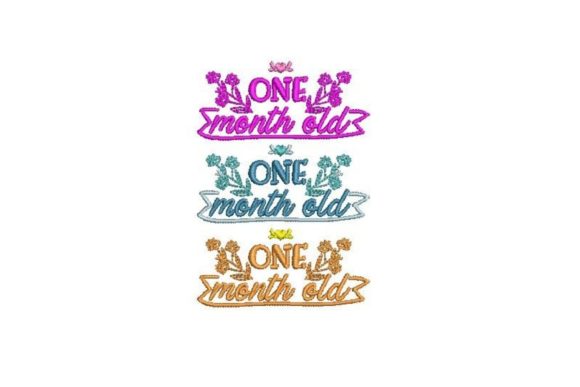
Opening the embroidery file, my first thought was that this design understands gentleness. The shapes lean toward a soft, celebratory feel—nothing sharp or overly formal. It’s the kind of visual personality that makes you want to pair it with cloud-soft fabrics and pastel thread palettes. For a baby embroidery project, that’s everything. You don’t want a clinical look; you want warmth. The Baby Milestone 1 Month design gave me that warmth right away, and I could already picture it on a cotton onesie draped over a basket at a baby shower. That’s the emotional tone that preps buyers—it feels like a keepsake before the needle even drops.
Why This Design Earns Its Spot in a Small Shop Catalog
If you’re an Etsy seller or run a handmade product line, you know that baby items move quickly when the design tells a story. This one does. It doesn’t scream “graphic”—it speaks “milestone.” I tested it mentally across several real product scenarios: a personalized gift for a new niece, a custom apparel piece for a first-month photoshoot, a tote bag for a mom’s group, even a delicate embroidered patch framed as nursery decor. In every case, the Baby Milestone 1 Month design held its own because it’s flexible without being generic. It anchors a product emotionally, and that’s what makes customers pause on a listing and hit “add to cart.”
The Real Test: Stitching It Out on a Baby Onesie
Let me walk you through a real-case scenario. I was preparing a boutique baby gift for a client who wanted something memorable for her granddaughter’s first month. I pulled a butter-soft organic cotton onesie, hooped it with a no-show mesh stabilizer, and chose a dusty rose thread to match the nursery palette. The Baby Milestone 1 Month design loaded without hiccups—it came with multiple embroidery file formats, which made my life easier since I switch between machines depending on the project. I always check that upfront, so if you haven’t confirmed format compatibility for your own craft business, do that before you buy any embroidery file. This one played nice with my setup.
As the machine ran, I watched the satin stitch elements form crisp, padded edges around the number and any decorative accents. The fill stitch areas had a smooth, almost plush finish that held up beautifully on the knit fabric—no pulling, no tunneling. I had initially worried about the tiny details that often plague baby embroidery designs, especially when wrapping around a small neckline curve. But the stitch density felt thoughtfully arranged. It wasn’t so dense that it warped the fabric, nor so light that it looked patchy. That balance tells me the designer knows how embroidery projects behave in the real world, not just on screen.
The Moments Where You Need Extra Care
No design is magic-proof. I’d caution anyone using the Baby Milestone 1 Month design to think twice about extreme fabric choices. Very textured fabrics—like thick terry cloth or heavily napped fleece—can swallow fine details. On stretchy knits, you absolutely need a cut-away stabilizer, otherwise that darling little number might warp after the first wash. I also wouldn’t force this into a tiny 4x4 hoop if the design wasn’t digitized for it; test your hoop size limits with a paper printout first. Dark fabrics require a color shift in thread—maybe a soft gold or ivory instead of pastel pink—so check thread color contrast before committing. And for caps or curved surfaces, the lettering might need a slight re-evaluation. I tend to use this design on flat, gentle surfaces like lap shoulder onesies, pillow covers, or flat tote bag panels. That’s where it shines brightest.
The Tiny Details That Lift a Handmade Product
One thing I noticed after the final trim: the Baby Milestone 1 Month design has a rhythm to its detailing. The running stitch outlines gave the number a defined edge without making it look stiff. In a well-lit photo, those stitches catch just enough light to look dimensional, which is a huge plus for product photography. If you sell on Etsy or run a small shop, that camera-friendly texture is gold. I’ve had customers send me photos of my embroidered items on their babies, and the details that look three-dimensional in a photo are the ones they rave about. This design can deliver that kind of buyer engagement, as long as you stitch it cleanly and choose thread colors that enhance the contrast.
What I’d Pair It With for a High-End Gift Set
I’m a firm believer that a single well-chosen design can anchor an entire product line. For my client’s order, I didn’t stop at the onesie. I added a matching burp cloth with a smaller version of the design (carefully resized only after checking the stitch density wouldn’t suffer) and a simple muslin swaddle blanket with a subtle quarter-placement. The Baby Milestone 1 Month design tied everything together. It gave a boutique feel that justified a higher price point. When I listed a similar set later as a made-to-order item, I saw a noticeable uptick in views—because the design photographed beautifully and felt intentional. If you’re building a nursery collection, this piece can be the quiet center that makes your branding look professional and cohesive.
Things Every Maker Should Check Before Production
- Stabilizer choice: For lightweight baby knits, a fusible mesh or cut-away stabilizer prevents distortion. Do a single test run on scrap fabric first.
- Thread weight and brand: I stick with a high-sheen 40-weight polyester for the satin areas; it gives a subtle luster that looks premium without overpowering the soft baby vibe.
- Hoop size verification: Not every machine embroidery design fits every hoop. Measure the actual stitch field before you load the embroidery file. The Baby Milestone 1 Month design likely fits a standard medium hoop, but don’t assume.
- Licensing clarity: The description mentions multiple file formats and compatibility with multiple machines, which suggests commercial use may be allowed. Still, review the terms carefully before you sell finished products with this design. If you plan to offer digital embroidery file reselling, that’s a whole other conversation.
- Mockup testing: Print the design in black and white at actual size and place it on different fabric colors. It’ll reveal contrast issues in seconds.
Where the Design Truly Belongs
After working with it, I believe the Baby Milestone 1 Month design belongs squarely in the realm of meaningful, small-batch handmade products. Think: custom apparel for milestone photoshoots, delicate nursery decor on linen hoops, personalized gifts for new moms, holiday embroidery on baby’s first stocking, or even a soft embroidered patch sewn onto a memory blanket. It’s less suited for heavy-duty items that endure frequent industrial washing—like a daycare backpack—because the delicate satin and fill areas will show wear faster. But in the world of keepsakes, it’s a quiet star.
The Visual Impact After the Final Press
Once I pressed the onesie with a clean cloth over the design, the stitches settled into the fabric beautifully. The Baby Milestone 1 Month motif looked integrated, not slapped on. That’s a huge factor for customer trust. When a buyer runs their hand over an embroidered product and feels smooth, well-set stitches, they perceive quality. No puckering, no thread loops. This design gave me that result on the first run, and that’s saying something—I’ve had plenty of embroidery files that needed major tweaking before they looked shop-ready. That reliability saves me time and makes it easier to scale up for larger orders if needed.
A Designer’s Final Verdict on Practical Value
If you’re a creative entrepreneur or a craft business owner, you’re not just buying a pretty picture. You’re buying the potential for a finished product that moves hearts and moves inventory. The Baby Milestone 1 Month design earns its keep. It’s adaptable, stitched out cleanly with proper prep, and hits that sweet spot between sentimental and stylish. I’d confidently use it for personal gifts, handmade product lines, Etsy shop listings, and even limited-edition boutique branding. Just remember that the magic happens in the preparation: choose the right stabilizer, check your hoop size, confirm your embroidery file formats, and always test on a similar fabric before you stitch the final piece. Do that, and this little milestone marker will quietly remind you why you fell in love with machine embroidery in the first place.
Whenever you introduce a design like this into your workflow, treat it as a conversation between you, the fabric, and the tiny person who will one day see that stitched number in a photograph. That’s the kind of care that turns a simple embroidery project into something a family holds onto for years.