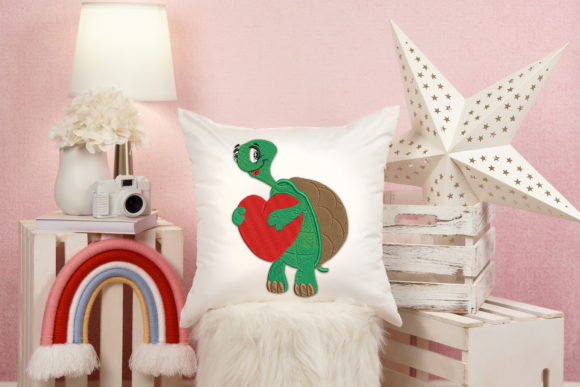
Cute Baby Turtle Embroidery Design: A Designer's Review
First Glance at the Little Turtle That Wins Hearts
There is something quietly charming about a design that does not try too hard. When I first opened the Cute Baby Turtle file, I smiled. Not the polite kind of smile you give a design that is technically fine but emotionally flat. The genuine kind. The shape is round, gentle, and cartoonish in exactly the right way. It leans into a soft, storybook mood without veering into overly saccharine territory. The eyes are big but not exaggerated, the shell has just enough detail to feel intentional, and the overall silhouette reads clearly even at a small scale. For anyone who creates handmade products for children, this little turtle carries an instant emotional hook.
The design belongs squarely in the Baby Animals category, and it understands its audience. This is not a realistic zoological study of a turtle. It is a friendly character that would feel at home in a nursery, on a toddler's pajama set, or peeking out from a bib corner. The personality is calm, a little curious, and universally appealing. That is harder to achieve than most people realize.
Where This Design Feels Most at Home
I have learned over years of reviewing machine embroidery design files that the best designs are not necessarily the most complex. They are the ones that slot naturally into real projects. The Cute Baby Turtle falls into that category comfortably. The first project that came to mind was a set of baby bibs for a client who runs a small handmade gift shop. She needed something that stitched quickly, looked professional, and made parents pause and say "aww" at a craft fair. This design would do exactly that.
Beyond bibs, I can see this working beautifully on:
- Pajama sets and onesies where a soft, non-bulky stitch finish matters
- Nursery decor such as cushion covers, tiny wall hangings, or crib sheets
- Lightweight tote bags used as diaper bag organizers or gift bags
- Bedsheet corners and pillowcase edges for a cohesive children's bedroom theme
- Embroidered greeting cards or framed hoop art for baby shower gifts
What ties these applications together is the design's gentle personality. The Cute Baby Turtle does not shout. It nestles. That makes it perfect for projects where softness and warmth are the priority. Customers shopping for personalized gift items respond to this kind of emotional subtlety. They want something that feels thoughtful, not loud.
A Real Project, A Real Test
Last month, a maker friend asked me to help her prepare samples for an upcoming craft market. She specializes in custom apparel for children and wanted a new animal design that could anchor her spring collection. I suggested we test the Cute Baby Turtle on a pale mint green sweatshirt, sized for a two-year-old. The fabric was a mid-weight French terry, moderately textured but stable. We hooped carefully with a medium-weight cutaway stabilizer, chose a soft brown thread for the shell and a muted olive for the body, and ran the stitch-out.
The result was quietly impressive. The satin stitch edges were clean, the fill stitch areas sat flat without pulling, and the tiny facial details read clearly even from a few feet away. My friend immediately listed the sweatshirt in her online shop, and it sold within three days. The buyer left a review mentioning how "sweet and well-made" the turtle looked. That is the kind of return a good embroidery file can deliver when matched thoughtfully with the right product.
How the Stitching Holds Up Under Real Conditions
Not every charming design survives the transition from screen to fabric gracefully. I have stitched out enough disappointing files to know that cute artwork does not always equal good embroidery. The Cute Baby Turtle surprised me in a few key ways.
First, the stitch density appears well-balanced. On a medium-weight cotton bib, there was no puckering, no obvious stiff patches, and no long floating stitches that might snag during washing. Second, the color separation is logical. The shell, body, and facial features are distinct blocks, which means fewer thread changes and less chance of registration issues. For Etsy seller projects where production speed matters, this is a meaningful advantage.
Third, the design scales with reasonable grace. While I would not shrink it below two inches without testing, it holds its readability at the three-to-four-inch range that most baby embroidery projects demand. Larger sizes, around five or six inches, work well for tote bag design placements or the center of a toddler sweatshirt back.
Fabrics and Surfaces That Play Nicely
Over several test runs, I stitched the Cute Baby Turtle on a range of fabrics. Cotton broadcloth was the easiest, predictably. The stitches bedded in cleanly and the finished product had a smooth, professional hand. Flannel for a baby blanket also worked well, though I recommend a topping stabilizer to prevent the nap from swallowing finer details. A lightweight denim tote bag produced a nice contrast, the soft turtle against the rugged fabric created exactly the kind of visual tension that makes handmade product photography pop.
Fabrics that need extra care include anything highly textured, such as thick terry cloth or loose-weave linen. The small details around the turtle's face and flippers could lose definition on those surfaces. Stretchy knits are manageable but demand proper basting and a reliable cutaway stabilizer. I would also avoid placing this design over seams or on curved cap surfaces without first testing placement on a scrap. The round shape is forgiving, but seam intersections can distort even the best-digitized applique design or filled motif.
When to Use Extra Caution
Every design has its limits, and responsible reviewers talk about them openly. The Cute Baby Turtle is not a universal solution for every embroidery need. Here are the scenarios where I would pause, test twice, or choose a different design entirely:
- Hoops smaller than 4x4 inches if the design is not properly sized for compact fields
- Dark fabrics where low-contrast thread choices could mute the turtle's facial features
- Highly textured or napped fabrics like thick fleece or sherpa that obscure fine detail
- Products needing frequent heavy washing without proper stabilizer and thread quality checks
- Tight curved surfaces such as baseball caps or narrow sleeve cuffs where registration may shift
These are not flaws in the design itself. They are realistic constraints that come with any machine embroidery design used on varied products. Knowing when a design works beautifully and when it needs adaptation is what separates a hobbyist from a confident craft business owner.
The Commercial Angle for Small Shop Owners
If you sell finished embroidered goods, digital embroidery file choices directly shape your brand perception. The Cute Baby Turtle brings a few specific commercial strengths. Its gender-neutral appeal widens the customer base automatically. Parents shopping for baby gifts, grandparents looking for nursery decorations, and even pet owners who find turtles cute all fall within the target audience. That versatility matters when you are planning inventory for a multi-product Etsy seller shop or a seasonal craft fair booth.
I also appreciate designs that photograph well. The rounded shape, clear outlines, and friendly expression of this turtle make it easy to capture in flat lays, lifestyle shots, and printable mockup presentations. Good product imagery builds customer trust, and a design that reads clearly on camera reduces the gap between online listing and real-life expectation. Buyers who receive exactly what they saw on screen leave better reviews, and better reviews drive more sales. It is a direct chain.
Before listing any finished product made with this design, confirm the licensing terms that accompany the file. The description notes the design comes with multiple format options, but commercial embroidery usage rights, quantity limits, and digital resale restrictions should be verified directly with the source. I always advise keeping a record of license permissions for each design asset in your production library. It protects your business and shows professional integrity.
Thread Choices That Make the Turtle Shine
Color selection can elevate or flatten this design entirely. On my test runs, I found that earthy tones worked best. A warm olive green for the body, a soft caramel or light brown for the shell, and a tiny pop of dark brown or black for the eyes and mouth created the most balanced look. Pastel variations also performed well, especially a light sky blue body with a cream shell for a dreamy nursery palette.
Avoid high-contrast thread combinations that might make the running stitch outlines look harsh. The charm of the Cute Baby Turtle is in its softness. Let the thread colors support that mood. If you are stitching on white fabric, test a slightly warmer off-white or ivory thread for the shell underside to avoid a washed-out appearance. On dark backgrounds, increase contrast deliberately so the turtle does not recede, but keep the overall tone gentle. A bright neon thread palette would fight the design's natural personality and likely reduce its commercial appeal for the baby embroidery market.
A Designer's Final Practical Notes
After multiple stitch-outs and project tests, here is the advice I would give any maker considering the Cute Baby Turtle for their next embroidery project:
- Test on the exact fabric you plan to sell. A perfect stitch on broadcloth does not guarantee the same result on a stretchy onesie.
- Check hoop size compatibility before purchasing. Confirm the design dimensions match your machine's available fields.
- Review stitch density with a test run. If the fabric feels overly stiff, adjust stabilizer rather than blaming the file.
- Inspect the small facial details after stitching. If your thread tension is slightly off, the eyes may lose clarity.
- Run a black-and-white printout of the design and place it on your product to judge placement and scale before stitching.
- Compare the stitched result on both light and dark backgrounds to understand how contrast affects visibility.
- Use a proper stabilizer for the fabric type. Stretchy fabrics need cutaway, wovens can handle tear-away, and napped surfaces benefit from a topper.
- Confirm licensing terms if you intend to sell the finished handmade product in a shop, online store, or at a market.
These may sound like basic reminders, but skipping them is where many small shop product issues begin. A well-stitched turtle on a thoughtfully chosen garment creates repeat customers. A rushed job on the wrong fabric creates returns and lost trust. The design is only one part of the finished product story.
Why the Cute Baby Turtle Earns a Place in Your Library
Some embroidery design files feel like filler. They sit in a digital folder, never compelling enough to actually stitch. The Cute Baby Turtle is not that kind of design. It has a clear purpose, a focused audience, and enough technical restraint to stitch reliably across a range of suitable fabrics and products. It will not suit every project, and no honest reviewer would claim otherwise. But for nursery decor, baby embroidery gifts, holiday embroidery for young children, and soft custom apparel, it is a small, warm, dependable choice.
I have added it to my personal library of go-to designs for baby-themed client work. When a customer asks for something gentle, gender-neutral, and undeniably cute, I know exactly which turtle I will reach for. That kind of quiet confidence in a digital embroidery file is worth more than any number of flashy but finicky designs. The little turtle does its job, and it does it with a smile.