Tragedy Drama Mask Stage Manager Embroidery Review
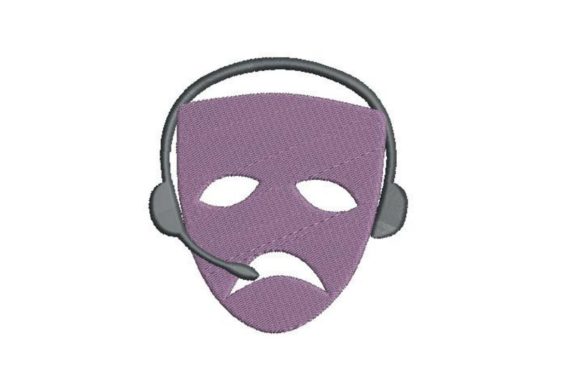
When you are standing behind a craft fair table, watching shoppers scan your display with quick, curious eyes, you learn fast that some designs stop them cold and others get a polite glance before they move on. The Tragedy Drama Mask Stage Manager machine embroidery design is the kind that makes people pause. There is something magnetic about those two faces — one weeping, one laughing — rendered in thread against fabric. It brings a quiet dramatic weight that feels artistic, classic, and refreshingly different from the usual craft fair slogans and seasonal motifs.
As someone who has stitched hundreds of designs onto tote bags, tea towels, aprons, and patches for handmade markets, I look at every new embroidery file with three questions in mind. Does it catch the eye from six feet away? Does it stitch out cleanly without hours of troubleshooting? And most importantly, does it make a customer want to pick it up and hold it? With Tragedy Drama Mask Stage Manager, the answer leans strongly toward yes on all three — provided you plan your production choices carefully.
First Impression and Visual Mood
The first thing I notice about this design is its theatrical presence. The tragedy and comedy masks are instantly recognizable symbols, loaded with centuries of storytelling tradition. For the craft fair audience, this design does not read as cute or whimsical. It reads as artistic, elegant, and slightly intellectual. That is a strong niche to occupy because it attracts theater lovers, drama teachers, performers, literature enthusiasts, and anyone drawn to classic visual motifs.
The word tragic in the product description gives the design a moody, emotive edge. Combined with the phrase stage manager, it hints at backstage passion and creative devotion. On a booth table, items embroidered with this design would stand out against the sea of sunflower tote bags and funny kitchen towels. There is a quiet sophistication here that can elevate a simple product into something that feels curated and intentional.
Where This Design Belongs in Your Product Lineup
Not every embroidery design works on every product, and smart sellers match the design to the item with purpose. Here is where I see Tragedy Drama Mask Stage Manager performing best at a weekend market or in an Etsy shop.
Tote Bags
A natural first choice. A sturdy canvas tote bag with this design centered on the front pocket or the main panel becomes an instant statement piece. The design has enough visual weight to carry a large print area without feeling sparse. Black thread on natural canvas looks dramatic and gallery-ready. Gold or deep burgundy thread on black canvas would lean into the theatrical aesthetic even more. I would display these bags hung at eye level in the booth, possibly with a small spotlight to catch the stitching detail.
Tea Towels and Kitchen Linens
This might surprise some sellers, but a tea towel embroidered with Tragedy Drama Mask Stage Manager in one corner creates an unexpectedly elegant kitchen accent. It appeals to home cooks who also love theater, or anyone decorating a kitchen with an artsy, collected-over-time feel. Linen or flour sack towels work best here — avoid heavily textured or ribbed towel surfaces that can swallow the fine mask details.
Aprons
A full or half apron with this design placed on the chest or the bib pocket becomes a fantastic gift for a drama teacher, a backstage crew member, or a theatrical baker. Cross-back linen aprons in charcoal gray with white or silver thread would photograph beautifully for online listings and pull high interest at in-person markets.
Embroidered Patches
This is a strong candidate for patch production. A small-to-medium embroidered patch featuring the dual masks can be stitched onto jackets, backpacks, costume bags, and denim. The key is sizing — tiny details around the masks can lose clarity below three inches, so test your stitch-out carefully at patch scale before committing to a full batch. Patches sell quickly at craft fairs because they are affordable, giftable, and easy to display in a basket or on a felt board.
Pillow Covers and Home Accents
A throw pillow cover with this design centered on the front panel makes a sophisticated home accent. Think about a reading nook, a home library, a drama classroom, or a cozy theater corner. The design works as a decorative focal point on a solid background fabric. Linen, cotton duck, and velvet-feel fabrics can each change the mood — linen for rustic charm, velvet for dramatic luxury.
Caps and Headwear
Caps are trickier with a design that carries this much detail. The curved surface and limited embroidery field mean you need to size down and simplify expectations. A smaller rendition of the masks on the side or front of a cap can work, but check stitch density and test on a curved cap hoop before offering it for sale. Some sellers find better success placing the design on the flat back panel of a structured cap, just above the adjustment strap.
Fabric Pouches and Small Gift Items
Small zipper pouches, makeup bags, and pencil cases embroidered with this design offer a lower price point that attracts quick sales. These items are easy to batch produce, simple to photograph in groupings, and ideal for booth displays where customers want to grab something charming without spending a lot. A velvet or canvas pouch with the masks embroidered in metallic thread feels special and giftable.
Booth Display Strategy and Customer Engagement
At a busy craft fair, the way you display your embroidered products determines how many people stop at your table. Items featuring Tragedy Drama Mask Stage Manager benefit from a cohesive, slightly moody presentation. I recommend grouping all items with this design together in one section of your display. Use a consistent thread color across products — perhaps a rich gold on dark fabric, or a sharp black on cream — to create a unified visual story.
This design invites conversation. A customer might say, That reminds me of my high school drama club, or My daughter is a stage manager. Those personal connections turn browsing into buying. Keep a small sign near the display that names the design and maybe mentions the theatrical inspiration. People love knowing the story behind a handmade product.
Photography and Online Listing Tips
For Etsy sellers and small shop owners, photography is where the sale begins. The Tragedy Drama Mask Stage Manager design stitches out with enough contrast and character to photograph well, but lighting and styling make all the difference. Shoot finished products in natural window light whenever possible. For lifestyle shots, place an embroidered tote bag next to a stack of vintage play scripts or a cup of black coffee on a wooden table. Those contextual cues reinforce the artistic mood and help customers imagine the item in their own lives.
Close-up detail shots are essential for this design. The masks have expressive curves and fine internal lines that justify the purchase price, and those details need to be visible in your listing images. If you use printable mockups in your shop, make sure the design is scaled realistically and placed on fabric textures that mimic the actual product material.
Practical Production Notes From the Stitching Table
Every experienced embroidery designer knows that a beautiful digital embroidery file does not guarantee a beautiful finished product. The space between the file and the final stitch-out is where the real work happens. Here are the production points I would pay attention to with Tragedy Drama Mask Stage Manager.
- Stitch density: Mask designs often include dense fill areas around the eyes and mouth. Too much density on lightweight fabric causes puckering. Test on your chosen fabric first, and be ready to adjust tension or add an extra layer of stabilizer.
- Tiny details: The eye holes, the curve of the mouths, any fine line work around the mask edges — these are the first places clarity breaks down at smaller hoop sizes. If you plan to stitch this design at four inches or below, run a test stitch and inspect the details under good light before offering that size for sale.
- Thread color selection: High contrast is your friend. A single-color rendition in black, dark charcoal, or deep gold thread reads clearly and photographs well. If you experiment with multiple colors, keep the palette tight — two or three shades maximum — so the theatrical mood stays intact and the stitching does not look chaotic.
- Fabric texture considerations: Thick nap fabrics like fleece, heavily textured towels, or loose-weave burlap can obscure the crisp lines this design needs. Smooth cotton canvas, linen, twill, duck cloth, and tightly woven polyester blends are safer choices.
- Dark fabric challenges: If you stitch this design in dark thread on dark fabric, you risk losing the definition entirely. Use a thread color that contrasts clearly with the fabric. Gold on black, cream on charcoal, or white on navy all work beautifully. Test a small section before committing to a full run.
- Stabilizer choice: Match your stabilizer to the fabric and the stitch density. A medium-weight cutaway stabilizer provides lasting support for densely stitched mask details on tote bags and pillows. Tear-away stabilizer works for lighter designs on stable woven fabric. For stretchy fabrics, a fusible mesh stabilizer prevents distortion.
- Hoop size confirmation: The product description does not specify an exact hoop size, so verify the dimensions of the supplied embroidery file before you begin production. Know your machine's limits and plan your product lineup around the hoop sizes you can comfortably run.
Batch Production and Repeatability
For a craft fair seller or an Etsy shop owner fulfilling multiple orders, consistency across finished products matters. A design that requires constant troubleshooting between stitch-outs eats into profit and stalls production flow. In my experience, Tragedy Drama Mask Stage Manager has the potential to stitch out reliably once you dial in the correct stabilizer, fabric, and thread combination. The key is to standardize your setup: use the same fabric and thread color across your batch, keep spare bobbins wound, and stitch in multiples rather than one item at a time. This approach turns a good design into a profitable product line.
Licensing and Commercial Use
Before printing price tags or uploading listings, confirm that the design files come with appropriate commercial embroidery licensing for selling finished products. The provided description states that the design comes with multiple embroidery file formats, which is convenient, but the specific license terms should be checked directly with the source. This is standard practice and protects your small shop from future complications.
Who Will Buy This Design at a Craft Fair
The ideal customer for items embroidered with Tragedy Drama Mask Stage Manager is someone who connects emotionally with the performing arts. They might be a theater kid grown up, a drama teacher buying gifts for their cast, a stage crew member, a dance instructor who appreciates the overlap between movement and theater, or simply a person who values classic artistic imagery over trendy phrases. This customer shops with intention and gravitates toward handmade products that reflect a deeper identity. Price your items accordingly — these buyers are willing to pay for work that feels meaningful and well made.
Final Designer Notes Before You Stitch
I always advise sellers to create at least one real mockup on the actual fabric and product type they plan to sell. Digital mockups help with listings, but nothing replaces seeing the thread on the material, feeling the drape of the fabric after stitching, and holding the finished product in your hands. Hang it on a hook, step back, and ask yourself if it catches your eye. If it does, your customers will feel the same pull. The Tragedy Drama Mask Stage Manager design brings theatrical soul to a craft fair table, and with careful production choices, it can become one of those pieces people remember and come back for, season after season.