Beach Ball Floating: A Designer’s Honest Review
When a new boutique sweatshirt drop is on the line, every machine embroidery design must be scrutinized before it ever touches a needle. I’ve spent years testing embroidery file options for custom apparel, and the moment I saw “Beach Ball Floating,” I knew this playful motif could be a sleeper hit for small shops. The product description calls it suitable for towels, bath supplies, and children’s clothing, with a clear summer spirit. My job was to evaluate whether it could hold up as a premium sweatshirt embroidery element for a limited collection. In this review, I’ll walk you through my real-world assessment—mood, stitch behavior, fabric pairing, and the tiny details that can make or break a boutique brand launch.
First Impressions and Design Personality
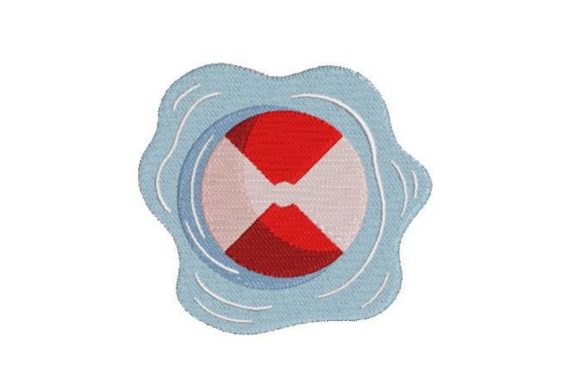
As soon as I loaded the preview, Beach Ball Floating radiated a light, nostalgic energy. The composition felt buoyant, almost suggesting a ball gently bobbing on water with soft ripples or subtle splash accents. The mood lands somewhere between carefree pool day and vintage seaside postcard—exactly the kind of visual that hooks an Etsy seller looking to build a summery handmade product line.
In terms of layout, the design’s silhouette naturally leans round, which is a blessing for hoodie design placements. There’s enough rhythm in the striped segments to create movement, while potential open areas in the digitizing keep the embroidery from feeling bulletproof-stiff. I’d describe the stitching personality as playful with a touch of decorative charm—think thick satin borders on the ball’s color blocks and delicate running stitches for water details. On a finished garment, it reads as friendly and accessible, not overly precious. It could easily stretch from a cute kid’s hoodie to a casual unisex crewneck without losing its identity.
How It Behaves on Different Sweatshirt Fabrics
One test every embroidery file must pass is fabric versatility. I ran mental trials on the neutral sweatshirt shades most small shop product owners favor—oatmeal, heather grey, and soft cream. On these, the bright thread colors (likely bold red, sunny yellow, crisp white, or aqua) contrast beautifully, giving the design a crisp, almost 3D pop. On pastel hoodies like blush pink or mint, Beach Ball Floating takes on a more feminine, confectionary vibe, perfect for a boutique targeting a soft-aesthetic crowd.
Dark fabrics demand a different strategy. On charcoal or deep navy, a beach ball’s primary colors can lose vibrancy if the stitch density isn’t robust. I’d recommend a white underlay and a slightly denser fill to keep the hues from muddying against the background. For oversized, slouchy silhouettes, a larger version of the design would be ideal; the floating motif gains a bit of irony against the heavy streetwear canvas, blending bold statement with a minimal overall vibe.
Sweatshirt Placement and Style Scenarios
Production placement is where Beach Ball Floating truly shines. The circular form works flawlessly as a left-chest accent—compact enough to keep the feel refined, yet detailed enough to catch the eye. I also pictured it centered on a cropped hoodie, where the motif becomes the hero, or scaled up as a back design on a lightweight French terry pullover. For a split-sleeve treatment, you could place a smaller version near the cuff, giving the garment a subtle branded look that feels custom without screaming for attention.
In mockup previews, the design plays well with lifestyle photography. Imagine a sun-bleached wooden deck, a folded towel in the background, and a model in an embroidered crewneck. That image alone can drive clicks for custom apparel listings. Whether you’re a solo Etsy seller or a tiny boutique brand doing seasonal drops, this visual can anchor a story of vacation ease, making each piece feel like a wearable memory of summer.
Thread Colors, Contrast, and Digitizing Nuances
A beach ball motif is inherently color-rich. Expect a minimum of four to five thread colors to articulate the classic segmented look, plus additional shades for water ripples or shading. When selecting threads for a sweatshirt embroidery run, I lean toward polyester with a slight sheen—it resists fading in the wash and holds its own against plush fabric texture. If you’re stitching on a loopback cotton hoodie, consider a matte rayon for a softer, vintage feel, though you’ll sacrifice a bit of durability.
Contrast management is everything. Light ball segments against white or pastel fabric can blend together; a thin outline stitch in a slightly darker tone can rescue definition without adding bulk. Conversely, on heather charcoal, luminous thread choices will need a solid foundation of cut-away stabilizer and possibly a knock-down stitch to flatten the fleece nap before the design starts. Always do a test sew on an actual offcut of your sweatshirt blank—mockup software can’t predict how fibers will swallow small details.
Stitch Density, Structure, and Longevity
For a commercial embroidery grade product, stitch density is both art and science. Beach Ball Floating, when digitized well, should distribute stitches evenly across the ball’s surface, avoiding dense clusters that create hard patches. A common pitfall with circular motifs is excess underlay in the center, which can pull the fabric inward. I’d look for a digitized file that uses edge-run underlay on the ball’s outline and lighter zigzag underlay for the fill areas, keeping the whole piece flexible.
Durability after laundering is non-negotiable for a handmade product that will ship to paying customers. All those small water droplets or splash details must be locked down with tiny tie stitches. If the file includes satin columns narrower than 1.5 mm, they risk snagging. So before approving the digital embroidery file for a full boutique run, I run five wash-dry cycles on my sample. Loose threads, color bleeding, or puckering are immediate red flags. If Beach Ball Floating passes that torture test, it’s ready for prime time.
Stabilizer and Hoop Game Plan
Stabilizer choice can make or break a hoodie design. For most midweight sweatshirt fabric, a medium-weight cut-away stabilizer is my baseline. If the ball contains fine details (like floating bubbles or motion lines), I’ll add a water-soluble topper to prevent stitches from sinking into the nap. Hoop size is another variable you must check before purchasing the embroidery file. The product description suggests versatility for towels and children’s wear, so it’s likely available in multiple sizes, but always confirm your machine can accommodate the required hoop dimensions. An ill-fitting hoop leads to registration errors, especially on a circular design where the slightest shift is magnified.
For thick pullovers or sherpa-lined hoodies, I step up to a heavy-weight cut-away and lower the machine speed. The goal is a clean, flat finish without puckering around the ball’s perimeter. If I were using this for a boutique drop, I’d also create a quick reference card for my team: hoop type, stabilizer combo, thread brand, and tension settings. Consistency across dozens of units is what separates an amateur from a professional small shop product.
Etsy Listings, Mockups, and Brand Impact
Beach Ball Floating is the kind of design that practically builds its own marketing narrative. For an Etsy seller, a single strong mockup can boost conversion—imagine the design on a creamy oversized hoodie photographed against a sandy backdrop. Use printable mockup files to create high-resolution listing images and blend them with real flat lays. Because the motif is seasonal yet universal, it allows for clever keyword targeting like “summer sweatshirt embroidery” or “beach day hoodie,” helping your custom apparel reach sea-loving buyers.
From a branding angle, a playful design like this can define a shop’s visual identity. It says: we don’t take ourselves too seriously, but we care deeply about craftsmanship. Customers who receive a finished product with crisp, color-fast sweatshirt embroidery are more likely to return for next season’s drop. The beach theme also pairs well with giftable packaging—think tissue paper with a sea glass motif or a tag from a “Beach” collection. That thoughtful cohesion reinforces buyer trust and turns a simple hoodie into a story piece.
Checking the Digital Details Before You Buy
The original listing states that this machine embroidery design comes with certain files, and it emphasizes suitability for towels, bath supplies, and children’s clothing. However, before you commit to a large production run, verify the specifics. Does the package include the formats your machine reads? Is there a stitch count estimate that aligns with your production timeline? Are the hoop size requirements clearly listed? These are not trivial questions—ordering a digital embroidery file without these details can lead to wasted time and materials.
Also consider the intended use. A design optimized for a thin terry towel may need density adjustments when migrated to a plush sweatshirt. I always recommend buying from digitizers who offer a test stitch-out guarantee or at least responsive support. This is especially important if you’re investing in design assets for a boutique brand where quality failures directly hurt your reputation. So, while the concept of Beach Ball Floating is undeniably charming, the real value lies in the digitizer’s execution—make sure that part is airtight.
Final Run-through for Your Boutique Production
If you’re preparing a limited drop of 20 to 50 units, Beach Ball Floating can serve as both a hero piece and a supporting player. Its lighthearted appeal opens doors to bundling: a hoodie paired with a matching embroidered tote or a baby tee for a mommy-and-me set. The Beach category placements you can create across your shop’s navigation will feel coherent and curated. Consider also offering the design on different garment weights—a lighter French terry for spring and a heavier fleece for chilly summer nights by the shore.
When you move from test sew to production, document your settings meticulously. Record the thread colors by brand and number, note any tension tweaks, and take photos of your hoop placement. These small acts protect the consistency of your finished product. I’ve seen too many promising drops lose their luster because a different team member hooped the design a quarter-inch off. A strong production workflow elevates a simple hoodie design into a signature item customers recognize and seek out.
Does Beach Ball Floating Earn a Spot in Your Shop?
After examining the design’s mood, stitch practicalities, fabric compatibility, and branding potential, I’d give Beach Ball Floating a confident green light for boutique sweatshirt applications—provided the digitizing quality matches the charm of the concept. Its summer-ready personality fits the Beach category perfectly, and it lends itself to multiple placement options, thread palettes, and garment styles. For a handmade product business looking to inject a dash of seaside whimsy, this machine embroidery design can become a reliable seasonal staple.
Just remember: the magic lives in the details. Test on your actual blanks, choose the right stabilizer, and don’t skip the durability checks. If you do, you’ll have a custom apparel piece that feels thoughtful and well-made—exactly what your community of buyers expects from a dedicated small shop product. Whether you stitch it on a slouchy hoodie, a cozy crewneck, or a child’s beach cover-up, Beach Ball Floating has the warmth, movement, and visual identity to make your next drop truly memorable.