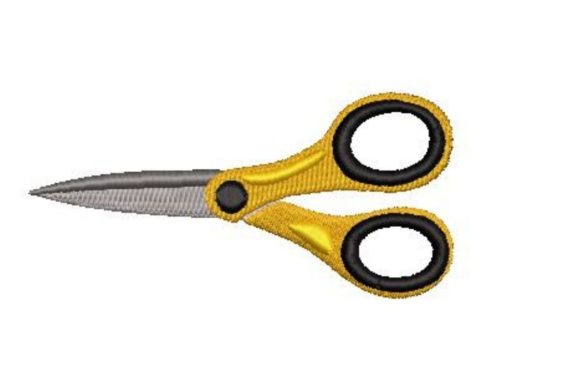
All Purpose Scissors: An Embroidery Designer’s Sweatshirt Review
First Impressions of the All Purpose Scissors Design
Opening the All Purpose Scissors embroidery file, I immediately felt the quiet confidence of a motif that knows its audience. The design reads as a tribute to hardworking hands, clearly created with farm life and practical craft in mind. For a small boutique brand planning a limited sweatshirt drop, this is the kind of artwork that sparks storytelling. It doesn’t shout; it speaks with a drawn-in, almost journal-like sketch quality that feels both rustic and minimal. The scissor silhouette carries weight—functional, unpretentious, and surprisingly emotive. It’s the kind of graphic that could live on the chest of a cozy crewneck just as naturally as on a canvas tote, but for our hoodie collection, I wanted to see how it breathed on textured fabric. The overall mood lands somewhere between utilitarian charm and slow‑living aesthetic. That balance is exactly what boutique shoppers crave right now.
Design Personality and Visual Weight on Sweatshirt Blanks
When I mock up any machine embroidery design for a garment line, I test it mentally across a spectrum of base tones and silhouettes. The All Purpose Scissors graphic, with its likely fine-line details and open interior spaces, thrives on midweight cotton‑fleece. On a faded oat or heather grey hoodie, the stitching will feel like a vintage workwear emblem. On a deep forest green or espresso brown blank, a crisp cream or warm khaki thread turns the scissors into a bold yet earthy focal point. Even on pastel sweatshirts—soft lavender, dusty rose, pale butter—the design adapts beautifully, losing none of its character while picking up a gentle, feminine softness. That versatility is a massive asset for a boutique brand that wants to offer multiple colorways without altering the core artwork.
Because the description mentions this embroidery file was made with farmers in mind, there’s an expectation of practicality. The scissors motif shouldn’t feel flimsy. On an oversized hoodie, left‑chest placement about 3.5 to 4 inches wide would read like a signature stamp. Scaled larger on the back, it becomes a statement piece—perfect for one‑of‑a‑kind custom apparel. The trick is preserving the blade details and the pivot screw circle so they don’t close up. That leads into the real‑world stitch‑out concerns every Etsy seller and small‑batch decorator should weigh.
Stitch‑Out Considerations: Density, Texture, and Thread Choices
Before I ever hoop a premium sweatshirt blank, I examine how the digitized paths will interact with plush fabric. Stitch density is the first checkpoint. A design that’s too dense on a fleece‑backed hoodie can feel stiff, almost like a plastic patch, and it loses the soft hand customers expect. An under‑digitized file, on the other hand, will sink into the nap and look sparse. With the All Purpose Scissors, I’d request a test stitch‑out to confirm that the blade edges are defined without excessive layering. The inner void areas—if they mimic a classic shear tool—need just enough underlay to prevent the fabric from peeking through.
Thread colors are where this design sings. Because the motif is straightforward, a single‑color approach in a high‑contrast tone keeps production clean and cost‑effective for a small shop product. Matte polyester thread in earthy hues—olive, rust, charcoal, or antique gold—amplifies the farm‑inspired mood. For a more polished boutique look, a dual‑color split (say, warm brass for the blades and dark graphite for the handles) introduces depth without complicating the sew‑out. Always test on the exact fabric texture you’ll sell; a loopback French terry behaves differently than a dense brushed‑back fleece. A medium‑weight cutaway stabilizer is my go‑to, paired with a water‑soluble topper on fluffy or high‑pile hoodies to keep those fine details crisp during the embroidery process.
Placement Ideas That Elevate Boutique Merchandise
For our upcoming sweatshirt capsule, I mapped three placement scenarios that maximize the All Purpose Scissors design’s impact. The first and safest is left‑chest placement on a standard unisex hoodie. Here, the graphic needs to be legible at around 3.8 inches wide—small enough to feel delicate, large enough to read. Based on the artwork, I’d set a minimum hoop size of 4x4 inches, but I always verify the exact stitch area before purchasing any digital embroidery file. The second scenario is a center‑back placement on an oversized crew, printed large (think 7 to 9 inches). This transforms the hoodie into a wearable piece of farm‑inspired art and looks incredible layered under a chore coat. The third option—my favorite for boutique drops—is a sleeve accent. Hitting the lower left sleeve with a compact, 2.5‑inch version of the scissors adds that subtle detail customers spot in lifestyle product photography and immediately associate with quality.
Always remember to confirm file specifications. The product description mentions multiple formats are included, but I didn’t see exact stitch count, pantone matches, or recommended hoop dimensions. Before stitching on a client’s inventory, reach out to the digitizer for those specifics. For a commercial embroidery run, knowing the stitch count helps quote accurate per‑piece cost and ensures the design won’t overwhelm lightweight garments.
Washing Durability and Long‑Term Wear
Nothing erodes buyer trust faster than an embroidery design that frays, fades, or warps after five washes. For a sweatshirt that might become someone’s daily uniform, the All Purpose Scissors embroidery must hold up. I’d run a pre‑production sample through three to five cold‑wash cycles, inside‑out, tumble dry low. The test reveals whether any small satin stitch columns are prone to snagging or if the stabilizer leaves a ghost ring on darker fabric. A well‑digitized file with correct pull compensation and underlay will barely shift. For shops offering this as a handmade product with a personal touch, that durability becomes a silent promise. Customers feel it when they pull the hoodie on again and again.
The washability also influences photography styling. When I shoot a printable mockup or a flat‑lay for an Etsy listing, I want the product to look lived‑in yet luxurious. A slightly softened, vintage‑wash appearance works perfectly with the rustic personality of this design. Pair the hoodie with raw selvedge denim or a canvas cap, and the scissors motif tells a complete story. That kind of visual cohesion helps a boutique brand stand out in a saturated feed.
How This Design Shapes Brand Identity and Customer Engagement
From a brand‑building perspective, the All Purpose Scissors graphic does something rare: it anchors a collection with quiet purpose. It’s not generic. The farming tie‑in gives the design a narrative that resonates with growers, makers, and anyone drawn to agrarian simplicity. For a small shop, that means every sweatshirt sold becomes a conversation piece. Comments like "Where did you find that?" or "My grandfather still uses those shears" translate directly into word‑of‑mouth marketing and repeat engagement. The scissors become a visual signature—especially if you stitch them in the same thread color or placement across all drops.
This design won’t suit every aesthetic. If your brand voice is ultra‑bold or street‑influenced, you might find it too delicate. But for those exploring Farm‑inspired lifestyle lines, rustic minimalism, or heritage craft stories, it fits like a well‑worn tool belt. The “all purpose” name itself suggests versatility, and that can be echoed in your marketing: a design made for makers, for doers, for those who still use their hands. Pair it with coordinating design assets like a small wheat icon or a vintage label motif, and you’ve built a capsule that feels thoughtfully curated rather than randomly printed.
Practical Tips for a Flawless Finished Product
Based on years of working with embroidery for e‑commerce brands, here are my grounded recommendations when running the All Purpose Scissors design on a boutique sweatshirt.
- Pre‑wash your blanks. Cotton‑rich hoodies will shrink slightly. Embroidering after a wash cycle ensures the design remains proportional and doesn’t pucker later.
- Use a fusible mesh cutaway stabilizer. It supports the stitches through countless wears without adding bulk, keeping the inside of the hoodie comfortable against the skin.
- Slow down your machine speed. If you’re stitching detailed blades, reduce to 600–700 stitches per minute. This gives the needle time to penetrate dense fabric cleanly and prevents skipped stitches.
- Test thread tension on a swatch. Even a slight imbalance can make the design look fuzzy or cause looping. Adjust bobbin tension until the backside shows neat, even lines.
- Offer personalization sparingly. If a customer wants their farm name added, place it beneath the scissors in a tiny serif font. Keep the addition subtle so the main motif remains the hero.
- Photograph the finished piece in natural light. The texture of the embroidery really emerges when sunlight hits the thread. This kind of shot boosts click‑through on Etsy seller listings and Instagram stories.
Is the All Purpose Scissors Design Right for Your Shop?
Considering the Farm category roots and the original description calling it a great design for farmers, this embroidery file absolutely delivers on its niche. It will add originality to farming‑themed apparel, workwear‑inspired collections, and any brand that prizes grit and simplicity. For a boutique sweatshirt, the key is execution. Digitizing quality can vary wildly, and while this file comes with multiple formats, I’d still recommend a sample stitch‑out before committing to bulk blanks. Evaluate the stitch density, the clarity of the pivot points, and how well the linework survives a trip through the dryer. If those pass, you have a custom apparel piece that feels like a found treasure rather than a mass‑market logo.
The All Purpose Scissors design reminds me why I love machine embroidery as a medium for storytelling. It’s not flashy. It’s sturdy wisdom stitched into every loop and satin path. When your customer runs their fingers over the textured blades on a chilly morning, they feel that intentionality. And in the world of small‑batch fashion, that’s the difference between a garment left on the rack and one worn to threads.