A Review of Floral Stitchery: A Designer's Practical Perspective
Whenever a new embroidery file lands in my library, I don't just look at the preview image. I think about how it will actually stitch out on fabric, how it will feel in a finished product, and what kind of mood it will bring to my work—whether it's for a client's custom apparel, a batch of tote bags for my small shop, or a personalized gift. So, let’s talk about Floral Stitchery.
The First Impression: Fresh, Friendly, and Versatile
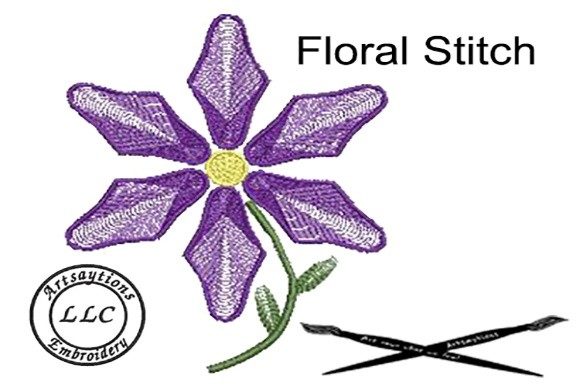
This design immediately strikes me as cheerful and uncomplicated. It’s a fun little flower, as described, with a personality that feels bright and approachable. The layout isn't overly formal or dense; it has a relaxed, almost hand-drawn quality that I appreciate. This visual personality makes it a natural fit for projects where you want a fresh accent without overwhelming the base fabric. It doesn’t scream for attention; it politely enhances.
For embroidery designers and makers, this means Floral Stitchery belongs in a category of designs you can rely on for quick, charming enhancements. It’s the kind of single flowers embroidery you might reach for when a baby item needs a gentle touch, a kitchen towel wants a hint of spring, or a simple sweatshirt calls for a bit of personality. Its theme is universally pleasant, which is a huge advantage for craft businesses and Etsy sellers who need designs that resonate with a wide audience.
Where Floral Stitchery Shines in Real Projects
I’m picturing it in action. Imagine you’re preparing a custom embroidered tote bag for a boutique—this flower would sit perfectly in a corner or center, offering a handmade presentation that feels intentional but not fussy. On a baby blanket or nursery decor item, its friendly shape creates a sweet, comforting vibe without being too thematic or gendered. For holiday gifts, like an apron or pillow cover, it provides a year-round freshness that isn’t tied to a specific season, increasing its utility.
In commercial embroidery and for apparel decorators, its scale and detail level suggest it would work well as a repeatable element. You could stitch a small cluster of these on caps or hats, or use it as a singular focal point on jacket sleeves. The description mentions it will be awesome on hats, jackets, and many other projects, and I agree—its adaptability is its core strength. For digital product sellers, this versatility makes it a valuable design asset for printable mockups, as it can represent a clean, attractive finished product across many categories.
A Specific Scenario: The Boutique Sweatshirt
Let’s walk through a real case. A client wants a lightweight, embroidered sweatshirt for their small shop merchandise. They want something feminine but not floral-heavy, something that feels 'handmade' but professional. I’d consider Floral Stitchery. Stitched out on the left chest area, its running stitch outlines and fill stitch petals (assuming a typical single flowers construction) would provide stitching clarity and a nice texture against the fleece. It would elevate the product's value without requiring a massive, time-consuming design. The customer reaction I’d anticipate is, “That’s cute and well-made,” which builds customer trust and brand consistency.
Considerations for Careful Application
While versatile, every machine embroidery design has optimal and less-optimal applications. Based on its likely structure, here’s where I’d advise caution with Floral Stitchery.
- Very Small Hoop Sizes: If the design comes in multiple sizes, the smallest version might compress the details. On textured fabrics like towels, very small satin stitch areas could lose definition.
- Stretchy or Thin Fabric: On thin t-shirts or stretchy jersey, a design with potentially dense stitch areas could cause puckering or fabric distortion. Proper stabilizer choice is critical here.
- Dark Fabric Backgrounds: The cheerful mood might rely on lighter thread colors. On dark fabrics, you must carefully plan thread color contrast to maintain its visual appeal. Testing on scrap fabric first is non-negotiable.
- Curved Surfaces like Caps: The design’s shape should be checked for how it conforms to a curved seam. Some layouts can look distorted on caps if not adjusted properly.
- Products for Frequent Washing: For items like baby clothes or kitchen towels that will be laundered often, inspect the stitch density. Too dense, and it becomes stiff; too sparse, and it might not wear well.
This isn’t to say it shouldn’t be used on these items—it’s a reminder to test and adapt. The design’s success on a dark tote bag or a child’s hat depends entirely on your preparation as the embroidery designer.
How This Design Impacts Your Creative Business
Beyond the stitch-out, using a design like Floral Stitchery affects your workflow and business outcomes. For creative entrepreneurs and handmade shop owners, a reliable, pleasant design boosts efficiency. You can confidently incorporate it into holiday gift lines or personalized products without extensive trial and error.
Its professional, clean execution in a finished product directly influences buyer engagement. In an Etsy listing photo, a sweatshirt embroidered with this flower looks complete and desirable. It enhances giftability because it’s recognizably pretty but not overly niche. For commercial embroidery projects, it offers a safe, appealing option that satisfies clients looking for a “nice floral accent.”
Practical Notes Before You Hoop Your Fabric
Before I use any embroidery file for real, my process involves a few key steps, and I’d apply them here:
- Always stitch a test run on a scrap of the actual fabric you plan to use. Check for thread tension, stitch density, and overall appearance.
- Review the design in black and white mockups (if available) to judge its form without color influence. Compare how it looks on light and dark fabric backgrounds digitally.
- Confirm the exact hoop size required for the version you’re using. The description says it comes with multiple embro… likely multiple sizes or formats. Check this.
- Inspect the small details in the preview. Are there tiny corners or elements that might require precise registration? This affects your choice of stabilizer.
- Most importantly: Confirm the licensing terms. Before selling finished items or using it in digital product previews, understand if it’s cleared for personal and commercial projects. This is foundational for any craft business or digital product seller.
These steps transform a simple download into a trustworthy design asset. They move you from hoping it will look good to knowing it will.
Final Thoughts on This Fun Little Flower
Floral Stitchery presents itself as a straightforward, happy design. From a professional designer’s point of view, its true value lies in its adaptability and the mood it creates—a mood of fresh, friendly enhancement. It’s not a dramatic centerpiece; it’s a reliable supporting character that makes jackets, baby embroidery, patches, and pillow covers feel more special.
For makers, Etsy sellers, and apparel decorators, it’s a solid candidate for your repertoire. It likely won’t surprise you with complexity, but it will satisfy with consistency. As with any machine embroidery design, its success in your real embroidery project—whether a custom apparel order or a batch of boutique merchandise—hinges on your thoughtful application. Test it, match it to the right fabric texture and project, and this single flowers embroidery can become a quiet, profitable staple in your creative work.