A Professional’s Review of the Victoria Memorial Embroidery Design
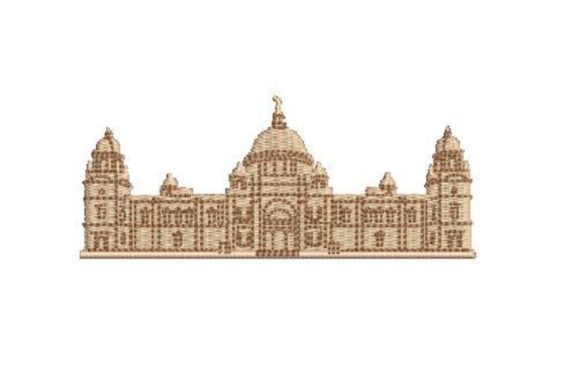
As an embroidery designer preparing for a craft fair, my first task is always to evaluate a new design not just for its beauty, but for its real-world selling power on handmade products. Today, I’m looking at the Victoria Memorial embroidery file. Given its description—a monument to Queen Victoria in London—my immediate impression is that this design leans heavily toward an elegant, decorative, and premium feel. It’s not cute or rustic; it’s a piece of architectural history, which gives it a certain sophistication and weight.
Where the Victoria Memorial Design Stands Out on Products
This isn’t a design for every item in your booth. Its success depends on pairing it with products that match its mood. On a practical table display, I see the Victoria Memorial excelling on items that customers associate with heritage, travel, or refined taste. A beautifully embroidered pillow cover for a living room or a high-quality tote bag for a book lover would be perfect canvases. It would also make a stunning, gift-ready fabric pouch for storing special items.
I would avoid putting it on overly casual or humorous items. A kitchen apron might work if the fabric is a premium linen, but on a textured tea towel, the intricate details could get lost. Embroidered caps are risky because the curved surface and typically darker fabric can obscure fine lines. The Victoria Memorial needs a flat, stable, and preferably lighter-colored fabric to shine.
First Impressions & Customer Attention at the Booth
From a selling perspective, the key question is: will a customer notice and understand this design at a glance? At a busy market, visual clarity is everything. The Victoria Memorial, as an architectural monument, should have strong, recognizable shapes. If the embroidery file captures the monument’s distinctive dome and pillars, it will draw eyes immediately. This makes it a strong focal design, not a small accent.
Its appeal likely targets a specific buyer: someone with an affinity for Europe, history, London travel, or classical design. This is a strength—it creates a niche. In your booth display, group products with this design together to create a cohesive “European elegance” section, boosting your brand consistency.
Practical Production Considerations for Crafters
Turning this into sellable products requires careful planning. Based on the description mentioning it’s “beautifully and carefully designed,” I anticipate potential challenges common with detailed architectural designs.
- Stitch Density & Detail: Monument designs often have dense stitch areas for solid structures and tiny details for ornate features. Test on scrap fabric first to see if small lettering or intricate stonework remains clear.
- Hoop Size & Stabilizer: This will likely require a larger hoop to preserve detail. Using the correct stabilizer for your chosen fabric—like a sturdy tote bag cotton or a delicate pillow cover linen—is non-negotiable.
- Thread Color Contrast: On light fabrics, a classic palette of grays, whites, and blacks might work. On darker fabrics, you must test thread contrast aggressively; details can vanish.
- Batch Production: If the design is long and complex, producing batches for a fair might be time-intensive. Evaluate if the perceived product value (a premium price) justifies the production time.
The Online Selling Angle: Photography & Listings
For your Etsy shop or online mockups, the Victoria Memorial can photograph beautifully if done right. The elegance translates well to digital storefronts. Ensure your photos capture the texture and precision of the stitches. A well-lit, close-up shot of the embroidery on a pillow or tote will showcase the handmade quality far better than a generic printable mockup. Always create at least one real physical mockup before listing; it informs your photography and description.
In your Etsy listing title and description, lean into the keywords: “Victoria Memorial embroidery,” “London monument tote bag,” “European decorative pillow.” This connects with customers searching for those specific, niche themes.
Critical Designer Notes Before You Stitch
Before you commit this design to a stack of fair products, here’s your essential checklist:
- Test the embroidery file on several fabric types you plan to use (linen, cotton canvas, etc.).
- Review the spacing of elements; crowded details may need simplification for smaller product versions.
- Inspect stitch density on scrap fabric to prevent puckering on final products.
- Compare how it looks on different fabric colors—light ivory versus dark navy.
- Most importantly, confirm the commercial licensing of the digital embroidery file. Never assume. Selling finished products at a fair or online requires clear commercial rights.
The design’s description doesn’t specify stitch count, exact hoop size, or file formats. You must check these details with the file provider before production planning.
Final Judgment on Selling Potential
The Victoria Memorial embroidery design holds strong potential for craft fair sellers targeting a customer who values narrative and sophistication in their handmade goods. It elevates the product value, making a simple tote bag feel like a curated, special item. In your booth, it will attract engaged buyers who appreciate the story and craftsmanship.
However, its practicality hinges on your production precision. It’s not a “quick-stitch” design for rapid batch production of dozens of items. It’s for creators who want to offer a higher-end, deliberate product. If you manage the stitch density, fabric choice, and photography well, the Victoria Memorial can become a standout, brand-defining piece in your collection of handmade products, perfectly capturing a moment of European history in thread.